


Introduction
The strength, durability, and safety of the construction industry are directly influenced by the quality of concrete. To assure compliance with standards and uniform performance, the most reliable concrete testing machines must be available in every quality control laboratory. The correct equipment gives the entire process from fresh concrete assessment to hardened concrete strength verification accurate outputs accompanied by trustworthy decision-making. This blog is putting before the reader the ten most important concrete testing machines that are a must in every modern laboratory.
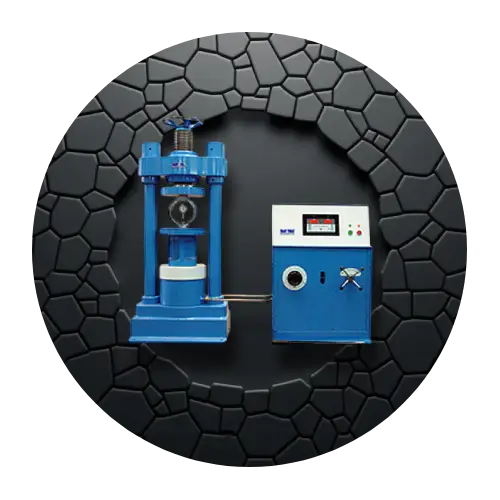
1. Compression Testing Machine (CTM)
Purpose: Measures compressive strength of concrete cubes and cylinders.
✔ Most critical concrete test
✔ Available in manual, semi-automatic & fully automatic models
✔ Digital display for precise load measurement
Why it’s essential: Structural design is primarily based on compressive strength values.
2. Slump Test Apparatus
Purpose: Determines workability and consistency of fresh concrete.
✔ Simple and cost-effective
✔ Helps detect excess water or improper mix
✔ Essential for site and lab testing
Used widely in RMC plants and construction sites.
3. Concrete Cube & Cylinder Moulds
Purpose: Used to cast concrete specimens for strength testing.
✔ Standard sizes (150mm cube, 150×300mm cylinder, etc.)
✔ Made from cast iron or steel
✔ Conforms to IS, ASTM & BS standards
Accurate moulds ensure reliable test results.
4. Flexural Testing Machine
Purpose: Measures bending strength of concrete beams.
✔ Crucial for pavements, slabs, and precast elements
✔ Determines tensile behavior of concrete
Often used in road and infrastructure projects.
5. Rebound Hammer (Schmidt Hammer)
Purpose: Non-destructive estimation of concrete compressive strength.
✔ Quick on-site assessment
✔ Identifies weak or non-uniform concrete zones
✔ Portable and easy to use
Ideal for existing structures and quality checks.
6. Ultrasonic Pulse Velocity (UPV) Tester
Purpose: Evaluates internal concrete quality and detects defects.
✔ Identifies cracks, voids, and honeycombing
✔ Measures uniformity and density
✔ Non-destructive and reliable
Commonly used for structural health assessment.
7. Compaction Factor Apparatus
Purpose: Measures workability of low-workability concrete mixes.
✔ More sensitive than slump test
✔ Suitable for stiff mixes
Essential for lab-based mix design evaluation.
8. Vee-Bee Consistometer
Purpose: Determines consistency of very stiff concrete.
✔ Accurate for roller-compacted concrete
✔ Common in dam and heavy concrete works
Used where slump test is ineffective.
9. Curing Tank / Water Bath
Purpose: Provides controlled curing conditions for concrete specimens.
✔ Maintains constant temperature & moisture
✔ Essential for strength development
✔ Available in normal & accelerated curing versions
Proper curing is critical for accurate strength results.
10. Accelerated Curing Tank
Purpose: Delivers early-age strength results in 24 hours.
✔ Saves time in fast-track projects
✔ Helps identify mix issues early
✔ Ideal for RMC plants & infrastructure labs
Supports faster decision-making without compromising quality.
Optional but Recommended Equipment
While not mandatory, these enhance lab efficiency:
- Cover Meter
- Digital Weighing Balance
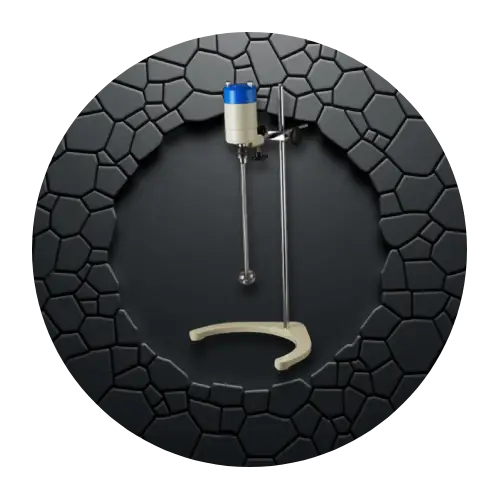
- Concrete Mixer (Lab Type)
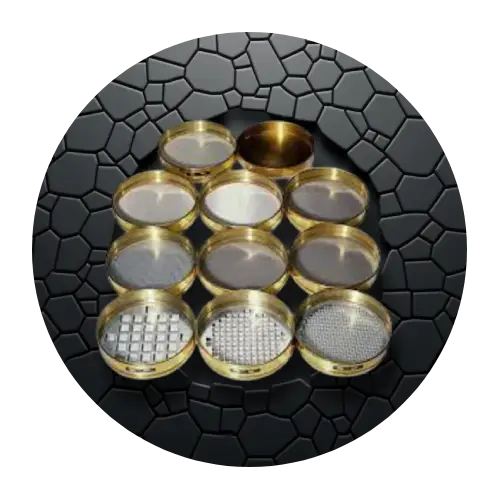
- Sieve Shaker
- Data Acquisition & Reporting Software
Standards & Compliance
All concrete testing machines should comply with:
IS Standards (IS 516, IS 1199, IS 9013)
ASTM Standards (ASTM C39, C143, C597)
BS / EN Standards
Compliance ensures test validity and audit acceptance.
How to Choose the Right Equipment
When selecting concrete testing machines:
✔ Prioritize accuracy and durability
✔ Check calibration and certification
✔ Evaluate after-sales service & support
✔ Consider future expansion needs
✔ Invest in digital & automated solutions
Conclusion
The basis of reliable quality control is equipping your lab with the right concrete testing machines. These 10 essential machines which perform basic workability tests to advanced non-destructive evaluation ensure compliance, accuracy, and confidence in every concrete pour. Investing in the right equipment today can prevent expensive failures tomorrow.Engineering Solutions Equipment is a top manufacturer in India and a trusted supplier of high-quality concrete testing equipment.






Comment (1)
A really good blog and me back again.
Comments are closed.