

Introduction
Geotechnical laboratories play a vital role in the construction and infrastructure industry by providing accurate information about soil characteristics before any project begins. From residential buildings and commercial complexes to highways, bridges, dams, railways, airports, and industrial facilities, every structure depends on reliable soil investigation to ensure safe foundation design and long-term stability. Without proper laboratory testing, engineers would have to rely on assumptions, increasing the risk of structural failures and costly construction problems.
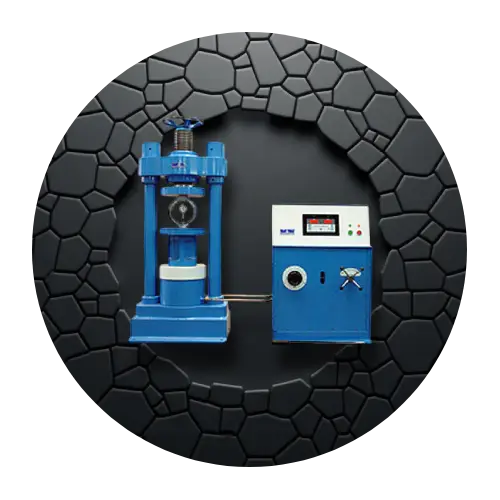
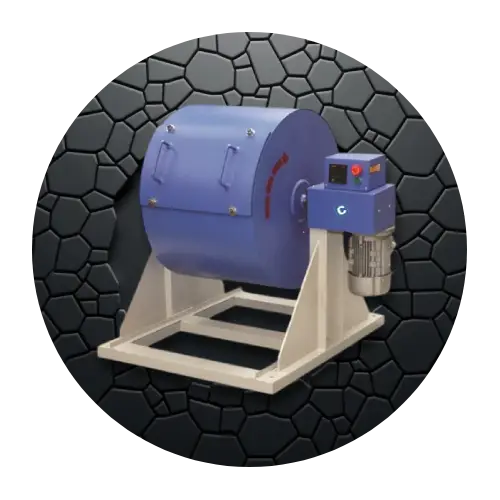
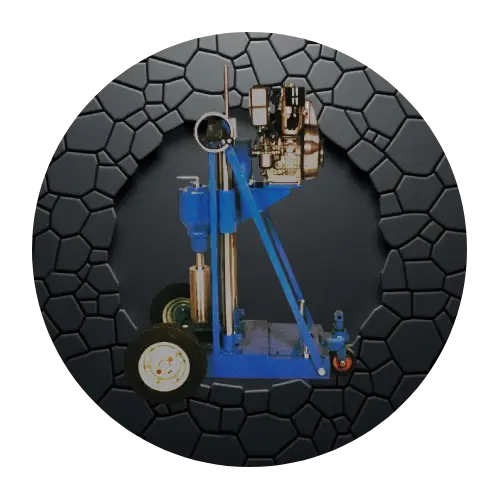
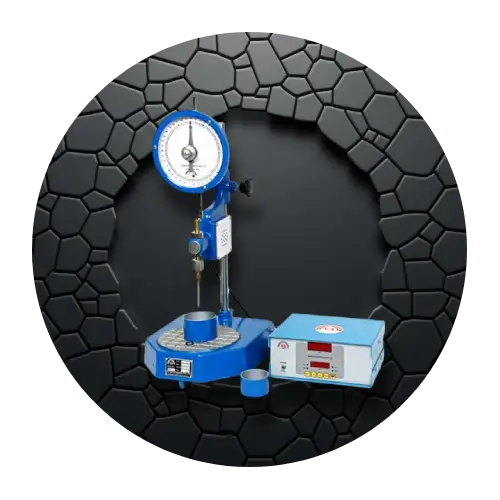
The accuracy of geotechnical investigations depends largely on the quality of the soil testing equipment available in the laboratory. Modern testing instruments allow engineers to evaluate important soil properties such as moisture content, density, compaction, bearing capacity, permeability, shear strength, and consolidation. These parameters are essential for selecting suitable foundation systems, assessing site conditions, and ensuring compliance with engineering standards.
A well-equipped laboratory not only improves testing accuracy but also enhances operational efficiency, supports quality control, and helps organizations deliver dependable engineering services. Whether it is an educational institution, construction company, research laboratory, government department, or private geotechnical consultant, investing in reliable Soil Testing Equipments is essential for producing consistent and trustworthy results.
Engineering Solutions Equipment is a leading manufacturer and supplier of premium-quality Soil Testing Equipments, providing complete laboratory solutions for civil engineering colleges, research institutions, construction companies, infrastructure developers, and geotechnical laboratories across India.
Why Geotechnical Laboratories Need Advanced Soil Testing Equipments
Every soil sample behaves differently depending on its composition, moisture level, density, and environmental conditions. Accurate evaluation of these characteristics requires specialized laboratory instruments capable of producing precise and repeatable measurements.
High-quality Soil Testing Equipments enable engineers to understand how soil will perform under different loading conditions, helping them design safe and economical foundations. Reliable equipment also supports compliance with Indian Standards (IS), ASTM, and other recognized testing specifications, ensuring laboratory results remain consistent and professionally accepted.
Modern laboratories benefit from equipment that combines accuracy, durability, ease of operation, and long service life, allowing technicians to perform multiple tests efficiently while maintaining high standards of quality.
Moisture Content Testing Equipment
Moisture content is one of the most fundamental properties of soil and significantly affects its engineering behavior. Excessive or insufficient moisture can influence compaction, bearing capacity, settlement, and overall structural performance.
Laboratories commonly use moisture testing ovens and related equipment to determine the water content present in soil samples. Accurate moisture measurements help engineers understand field conditions and support numerous other laboratory tests.
Reliable moisture testing equipment forms the foundation for many geotechnical investigations and is considered essential for every soil laboratory.
Liquid Limit and Plastic Limit Apparatus
Understanding soil consistency is important when evaluating fine-grained soils such as clay and silt.
Liquid Limit and Plastic Limit Apparatus are used to determine the Atterberg Limits, which indicate how soil behaves at different moisture levels. These values help classify soils and predict their engineering performance under changing environmental conditions.
These tests are routinely performed in civil engineering laboratories and are essential for foundation design, embankment construction, and earthwork projects.
Mechanical Sieve Shaker
Particle size distribution is another important aspect of soil classification.
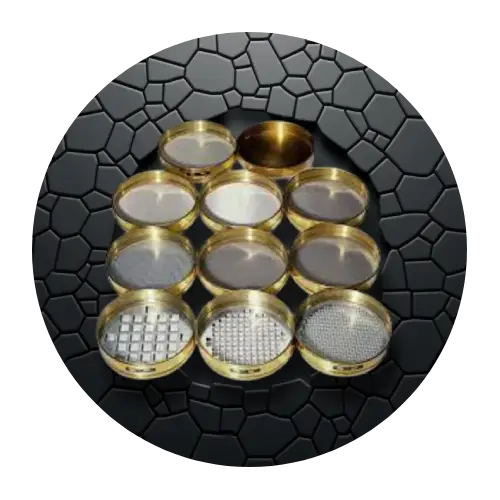
A Mechanical Sieve Shaker separates soil particles according to size, allowing engineers to determine the grading characteristics of coarse-grained soils. Proper particle size analysis supports foundation design, pavement construction, drainage systems, and earthwork planning.
The use of automated sieve shakers improves testing efficiency while ensuring consistent and repeatable results.
Proctor Compaction Test Equipment
Compaction plays a major role in the stability of roads, embankments, foundations, and earth structures.
Proctor Compaction Equipment helps determine the relationship between soil moisture content and dry density, enabling engineers to identify optimum compaction conditions.
Accurate compaction testing contributes to stronger foundations, reduced settlement, and improved structural performance. This equipment is widely used by quality control laboratories and construction companies during site development.
California Bearing Ratio (CBR) Testing Machine
The California Bearing Ratio (CBR) Test is one of the most commonly performed geotechnical tests for pavement and road construction.
A CBR Testing Machine measures the load-bearing capacity of soil and subgrade materials, providing essential information for highway, airport, and pavement design.
Accurate CBR values allow engineers to determine appropriate pavement thickness while optimizing construction costs without compromising structural performance.
Direct Shear Apparatus
Shear strength is a critical property influencing the stability of foundations, retaining walls, embankments, and slopes.
The Direct Shear Apparatus evaluates the resistance of soil to shearing forces under controlled laboratory conditions. Test results help engineers assess slope stability and design foundations capable of safely transferring structural loads.
Because shear strength directly affects structural safety, this equipment is considered indispensable in geotechnical laboratories.
Consolidation Apparatus
Settlement is one of the most important concerns in foundation engineering.
The Consolidation Apparatus measures how soil compresses under sustained loading over time. These results help engineers estimate long-term settlement of structures built on compressible soils.
Consolidation testing is particularly important for projects involving clay soils, heavy buildings, bridges, and industrial facilities where excessive settlement must be carefully controlled.
Triaxial Testing Equipment
Among advanced geotechnical tests, the Triaxial Test provides detailed information about soil behavior under simulated field loading conditions.
Triaxial Testing Equipment allows engineers to evaluate shear strength, stress-strain characteristics, and deformation behavior under different drainage conditions.
This equipment is widely used for complex engineering projects requiring detailed soil analysis, including dams, tunnels, deep foundations, and major infrastructure developments.
Permeability Test Apparatus
The movement of water through soil significantly influences foundation stability and drainage performance.
Permeability Test Apparatus measures the rate at which water passes through soil samples. Engineers use these results to design drainage systems, retaining structures, earth dams, and groundwater control measures.
Understanding soil permeability helps prevent water-related structural issues while improving long-term project durability.
Laboratory Balances and Supporting Equipment
Precision measurements are essential throughout every laboratory procedure.
High-quality laboratory balances, sample preparation equipment, drying ovens, density measuring devices, and soil sample accessories support accurate testing across all geotechnical investigations.
Although these instruments may appear simple, they play an important role in ensuring reliable laboratory operations and maintaining testing accuracy.
Benefits of Investing in High-Quality Soil Testing Equipments
Selecting premium-quality Soil Testing Equipments provides significant long-term advantages for laboratories and construction organizations.
Some important benefits include:
- Accurate and repeatable test results
- Compliance with engineering standards
- Improved laboratory productivity
- Longer equipment lifespan
- Reduced maintenance requirements
- Better operational efficiency
- Increased confidence in engineering reports
- Reliable performance for continuous laboratory use
Investing in dependable equipment ultimately improves both laboratory reputation and project quality.
Why Choose Engineering Solutions Equipment?
Engineering Solutions Equipment is a trusted manufacturer and supplier of advanced Soil Testing Equipments designed to meet the evolving needs of geotechnical laboratories, engineering colleges, research institutions, construction companies, and infrastructure developers.
The company offers a comprehensive range of precision-engineered laboratory and field testing instruments manufactured using high-quality materials and modern production techniques. Every product is designed to provide reliable measurements, long service life, and compliance with recognized testing standards.
Engineering Solutions Equipment is committed to delivering complete laboratory solutions supported by expert technical guidance, installation assistance, dependable after-sales service, and timely product delivery. Whether customers require individual instruments or complete laboratory setups, the company provides customized solutions tailored to diverse engineering applications.
With years of industry expertise and a strong commitment to quality and customer satisfaction, Engineering Solutions Equipment continues to be a preferred partner for professional soil testing laboratories across India.
Conclusion
A geotechnical laboratory is only as effective as the quality of its testing equipment. Accurate soil investigations form the basis of safe foundation design, successful infrastructure development, and dependable engineering decisions. By equipping laboratories with reliable Soil Testing Equipments, organizations can improve testing accuracy, enhance productivity, and deliver consistent results that meet professional standards.
From moisture testing and compaction analysis to shear strength, permeability, consolidation, and bearing capacity evaluation, every piece of equipment contributes to a complete understanding of soil behavior. Selecting high-quality instruments from an experienced manufacturer ensures long-term reliability while supporting efficient laboratory operations.
Engineering Solutions Equipment continues to provide premium-quality Soil Testing Equipments that enable engineers, researchers, laboratories, and educational institutions to perform precise geotechnical investigations with confidence, accuracy, and reliability.
Frequently Asked Questions
1. What are Soil Testing Equipments?
Soil Testing Equipments are specialized laboratory and field instruments used to determine the engineering properties of soil for construction and geotechnical investigations.
2. Which equipment is essential for a geotechnical laboratory?
Common equipment includes moisture content ovens, Liquid Limit Apparatus, Mechanical Sieve Shakers, Proctor Compaction Equipment, CBR Testing Machines, Direct Shear Apparatus, Consolidation Apparatus, Triaxial Equipment, and Permeability Test Apparatus.
3. Why is high-quality soil testing equipment important?
High-quality equipment provides accurate, repeatable, and reliable test results, improving engineering decisions and ensuring compliance with industry standards.
4. Who uses Soil Testing Equipments?
Construction companies, geotechnical consultants, civil engineering laboratories, educational institutions, research organizations, government agencies, and infrastructure developers all use soil testing equipment.
5. Why choose Engineering Solutions Equipment?
Engineering Solutions Equipment is a trusted manufacturer of Soil Testing Equipments, offering precision-engineered products, complete laboratory solutions, expert technical support, and reliable quality for geotechnical testing applications.