
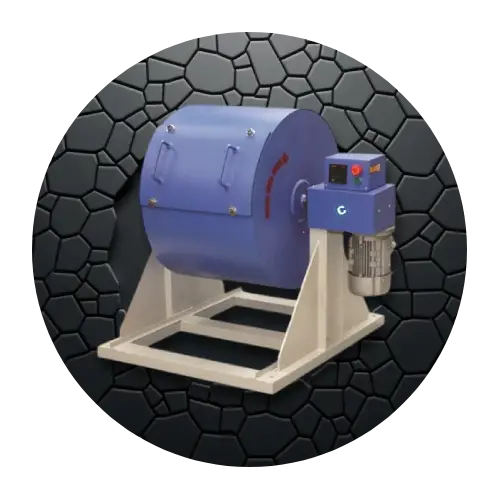
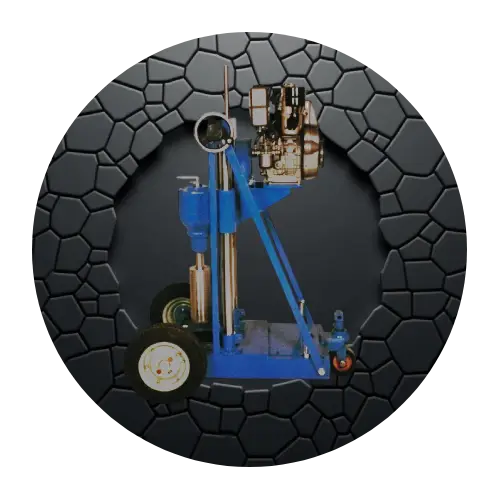
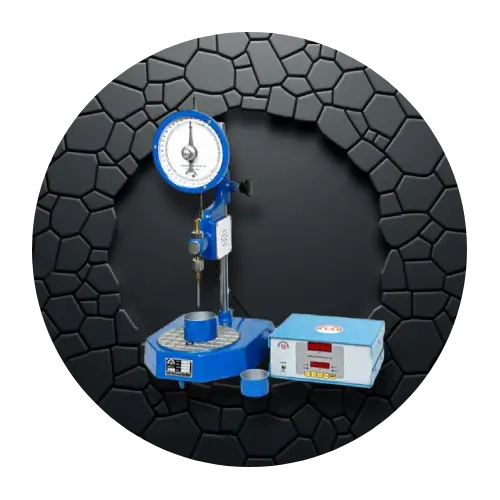
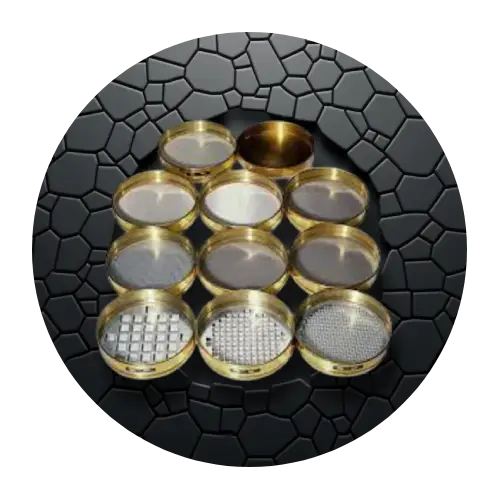


Running a civil engineering laboratory—or planning to set one up—comes with one fundamental responsibility: ensuring that the concrete you test is consistent, reliable, and compliant with industry standards. Whether you’re working on large infrastructure projects, commercial buildings, or routine quality assurance work, the accuracy of your concrete test results hinges on the quality of your testing equipment.
Concrete test equipment is not a one-size-fits-all purchase. Different projects, standards, lab capacities, and budgets require different tools. Choosing the right concrete test equipment is a critical decision that can save time, improve lab efficiency, and ensure compliance with regulatory norms.
This comprehensive buying guide will walk you through everything you need to know before investing in concrete testing equipment—from understanding your lab’s requirements to evaluating features, certifications, and suppliers.
Why Choosing the Right Concrete Test Equipment Matters
Before we dive into specific buying criteria, let’s understand why quality equipment matters:
Accuracy and Reliability
Concrete testing determines compliance with strength, durability, and performance standards. Inaccurate equipment can lead to wrong results, project delays, rework, or even structural failures.
Compliance with Standards
Equipment must meet national and international standards such as IS (Indian Standards), ASTM, and other regional codes. Certified equipment ensures legal and regulatory compliance.
Time Efficiency
Modern equipment with automation, digital controls, and data logging can dramatically reduce testing time compared to manual methods.
Cost Efficiency
While advanced machines may be pricier initially, they offer better durability, lower maintenance cost, and fewer calibration issues, ultimately saving money in the long run.
Safety and Quality Assurance
Reliable testing ensures that concrete meets required performance parameters, supporting structural safety.
Assess Your Lab’s Testing Requirements
Before buying equipment, clearly define your lab’s purpose and testing scope:
Types of Tests You Need
Identify whether you require equipment for:
- Fresh concrete testing (slump test, air content, flow table)
- Hardened concrete testing (compressive strength, flexural strength, split tensile strength)
- Non-destructive testing (rebound hammer, UPV)
- Durability testing (permeability, chloride penetration)
- Specialized tests (curing tanks, shrinkage, creep, thermal tests)
Mapping your testing needs will help you buy only the necessary equipment and avoid unnecessary expenses.
Volume of Testing
Understand how many tests you conduct daily or weekly. A high-volume lab may benefit more from automated, high-capacity machines than a small lab with limited testing needs.
Industry Standards and Compliance
Determine the standards your equipment must comply with:
- IS (Indian Standards)
- ASTM
- BS (British Standards)
- ISO
Ensure the equipment comes with documentation and calibration certificates that meet these standards.
Understand Core Categories of Concrete Test Equipment
Here’s a breakdown of the primary types of concrete test equipment and their purpose:
Fresh Concrete Testing Tools
- Slump Test Apparatus: Measures workability.
- Compaction Factor Apparatus: Assesses compactability.
- Vee-Bee Consistometer: Evaluates consistency of low-workability mixes.
- Flow Table Apparatus: Tests flowability in high-workability concrete.
- Air Content Meters: Measure entrained air.
Hardened Concrete Testing Machines
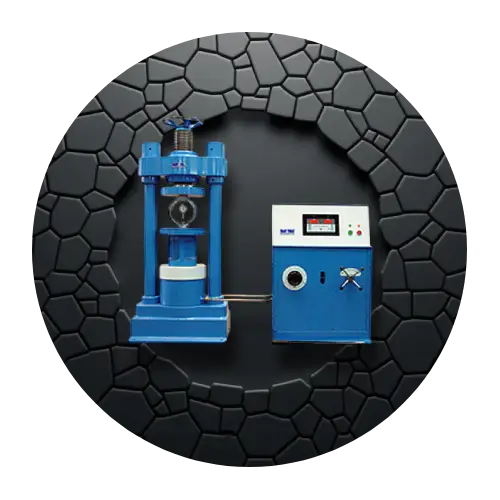
- Compression Testing Machine (CTM): Measures compressive strength.
- Flexural Testing Machine: Measures bending strength.
- Split Tensile Test Apparatus: Measures tensile strength.
- Core Cutting Machines: Extract cores for in-situ strength testing.
Non-Destructive Testing (NDT) Tools
- Rebound Hammer: Surface hardness assessment.
- Ultrasonic Pulse Velocity (UPV) Tester: Detects internal defects.
- Cover Meter: Measures reinforcement cover.
Durability Testing Equipment
- Rapid Chloride Permeability Test (RCPT) Apparatus
- Water Permeability Test Systems
- Carbonation Testing Units
- Freeze–Thaw Chambers
Sample Preparation and Curing Devices
- Curing Tanks
- Cube Molds and Cylinder Molds
- Vibration Tables
Key Features to Look for in Concrete Testing Equipment
When evaluating equipment, consider the following features:
Compliance with Standards
Ensure the machine adheres to required standards (IS, ASTM, ISO). Look for:
- Calibration certification
- Standard test procedure compatibility
- Traceability documentation
Digital Controls and Automation
Modern equipment offers:
- Digital load setting
- Automatic data capture
- Touchscreen interfaces
- Auto shut-off features
- Software integration
These features improve accuracy and reduce human error.
Build Quality and Durability
Invest in robust equipment with:
- Heavy-duty frames
- Corrosion-resistant materials
- Smooth mechanical movement
- Reliable load cells and transducers
This ensures consistent performance and longevity.
Capacity and Range
Match the machine’s capacity to your lab’s needs:
- Compression Testing Machines: Choose based on expected maximum load (e.g., 2000 kN vs. 5000 kN).
- Vibration Tables: Select based on specimen size and compaction requirements.
Software and Connectivity
Modern labs require digital data management systems that:
- Store test results
- Generate reports
- Integrate with LIMS (Laboratory Information Management Systems)
- Allow remote access and export functions
Evaluate Supplier Reputation and Support
Choosing the right supplier is as important as selecting the right equipment.
Authorized Distributors and Manufacturers
Prefer suppliers who are:
- Authorized by reputable brands
- Well-established in the civil lab equipment industry
- Verified for quality and post-sales support
Authorized suppliers ensure genuine equipment with warranty and certified calibration.
Technical Support and Training
Good suppliers offer:
- Installation assistance
- On-site training for lab staff
- Operation manuals
- Troubleshooting support
This reduces downtime and ensures correct equipment useAfter-Sales Service
Check for:
- Warranty terms
- Spare part availability
- Calibration and maintenance services
- Service response time
After-sales support ensures long-term precision and reliability.
References and Reviews
Ask for:
- Customer testimonials
- Case studies
- References from other labs
This helps gauge supplier reliability.
Budgeting and Total Cost of Ownership
Concrete test equipment pricing varies by:
- Type of equipment
- Brand and quality
- Digital features
- Capacity
- After-sales support
When budgeting, consider:
Initial Cost
Base price of the machine or device.
Installation and Training Costs
Supplier charges for setup and training.
Calibration and Maintenance
Recurring costs to ensure accuracy.
Software and License Fees
Some systems require paid software upgrades or licenses.
Warranty and Support Packages
Extended warranties may increase upfront cost but reduce long-term expenses.
A well-planned budget considers total cost of ownership (TCO) rather than just upfront price.
Calibration and Maintenance
Regular calibration ensures accurate results:
Calibration Requirements
- Check load cells and sensors periodically
- Calibration certificates should be issued and traceable
- Follow standards compliance frequency
Preventive Maintenance
- Keep equipment clean
- Replace worn parts
- Check mechanical alignment
- Update software
Many suppliers offer maintenance contracts for uninterrupted laboratory operations.
Training and Documentation
Even the most advanced equipment requires skilled operators.
Operator Training
Ensure staff receive:
- Hands-on training
- Safety instructions
- Test procedure guidelines
- Understanding of digital systems
Documentation Standards
Maintain accurate records of:
- Calibration certificates
- Test results
- Equipment manuals
- Maintenance logs
Good documentation supports audits and compliance checks.
Future-Proofing Your Lab
Technology evolves fast. Consider investing in:
Digital and Automated Systems
For faster and more accurate test results.
Software Integration
For improved data management.
C. Upgrade Paths
Machines that allow future upgrades (additional sensors or modules).
Modular Equipment
Equipment that can expand testing capabilities as the lab grows.
Purchasing future-ready tools saves replacement costs and improves lab flexibility.
Practical Example – Choosing a Compression Testing Machine
A Compression Testing Machine (CTM) is often the most critical piece of equipment in a concrete lab. Here’s how to choose one:
Capacity
Select based on expected load range of tested concrete grade.
Digital vs. Manual
Digital CTMs with automated controls and data logging are more accurate and efficient.
Safety Features
Look for emergency stop, overload protection, and stable frame design.
Software Integration
Systems that connect with lab data systems are ideal for reporting and compliance tracking.Common Mistakes to Avoid When Buying Equipment
Choosing Based on Price Alone
Low-cost equipment often sacrifices quality and durability.
Ignoring Supplier Support
A machine without good after-sales service can cause long-term headaches.
Neglecting Compliance Verification
Always check standards compatibility and certification.
Overlooking Digital Features
Manual-only equipment often leads to inaccuracies and data gaps.
Conclusion
Choosing the Engineering Solutions Equipment concrete test equipment for your lab is a strategic decision that impacts accuracy, compliance, safety, and operational efficiency. It requires a thorough understanding of your testing needs, industry standards, equipment capabilities, supplier reliability, and long-term maintenance planning.
By following this buying guide, you’ll be better equipped to make informed decisions, invest wisely, and elevate the quality assurance capabilities of your lab.
Whether you’re building a new testing facility or upgrading your existing one—selecting the right equipment will help you deliver accurate, reliable, and standardized concrete testing results every time.