


In the construction and infrastructure industry, quality and safety are non-negotiable. Every structure—from residential buildings to large-scale infrastructure projects—relies heavily on the strength and durability of materials used. This is where civil laboratory equipment plays a vital role.
A trusted civil lab equipment supplier ensures that construction materials such as cement, concrete, soil, and aggregates are tested accurately to meet industry standards. By providing high-quality testing instruments, these suppliers help engineers, contractors, and laboratories maintain compliance, improve quality, and enhance project reliability.
In this blog, we will explore the importance of civil lab equipment, types of testing instruments, benefits of choosing a reliable supplier, and how the right partner can impact your project success.
What Is Civil Lab Equipment?
Civil lab equipment refers to a wide range of instruments used to test the physical and mechanical properties of construction materials. These tests are essential for determining the strength, durability, and performance of materials before they are used in construction.
Key Categories of Civil Lab Equipment
- Concrete Testing Equipment – Compression testing machines, slump test apparatus
- Soil Testing Equipment – Proctor compaction apparatus, triaxial testing equipment
- Cement Testing Equipment – Vicat apparatus, fineness testing machines
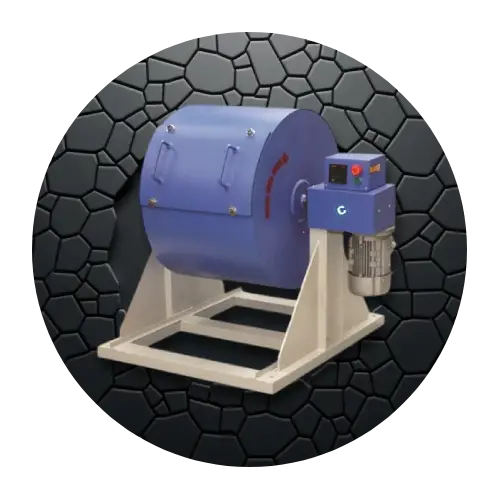
- Aggregate Testing Equipment – Impact testing machines, abrasion testing apparatus
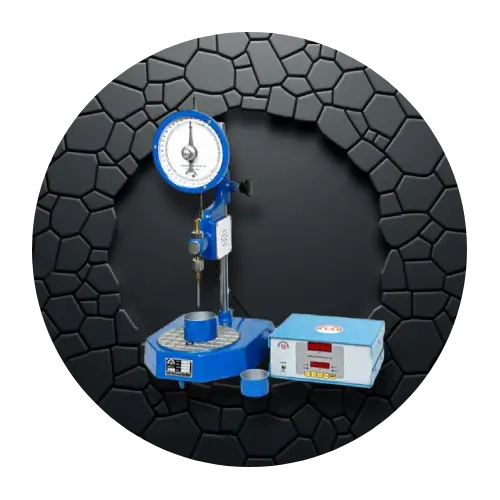
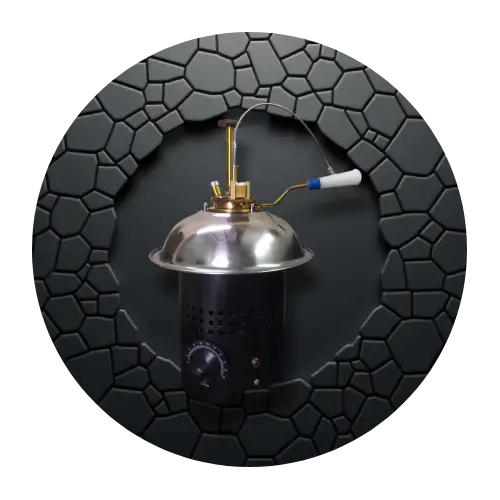
- Bitumen Testing Equipment – Penetration test apparatus, ductility testing machines
These tools ensure that materials meet required standards, preventing structural failures and ensuring long-term durability.
Importance of Civil Lab Equipment in Construction
Ensures Material Quality
Testing equipment helps determine whether materials meet required strength and durability standards. Poor-quality materials can compromise structural integrity, making testing essential.
Enhances Safety
Proper testing reduces the risk of structural failures, ensuring safety for occupants and users. Civil lab equipment helps identify weaknesses before construction begins.
Supports Regulatory Compliance
Construction projects must comply with standards such as IS (Indian Standards), ASTM, and BS. Reliable testing equipment ensures accurate results and compliance with these regulations.
Improves Project Efficiency
Accurate testing minimizes rework, reduces delays, and ensures smooth project execution. This leads to improved efficiency and cost savings.
Enables Research and Innovation
Civil lab equipment supports research and development, helping engineers develop stronger, more sustainable materials for future construction projects.
Types of Civil Lab Equipment
Concrete Testing Equipment
Concrete is the backbone of construction. Testing its strength and consistency is crucial.
Common equipment includes:
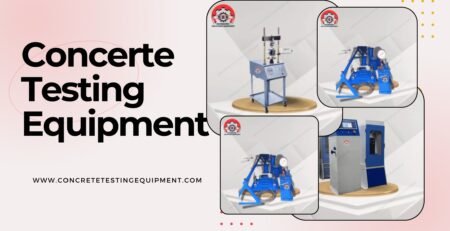
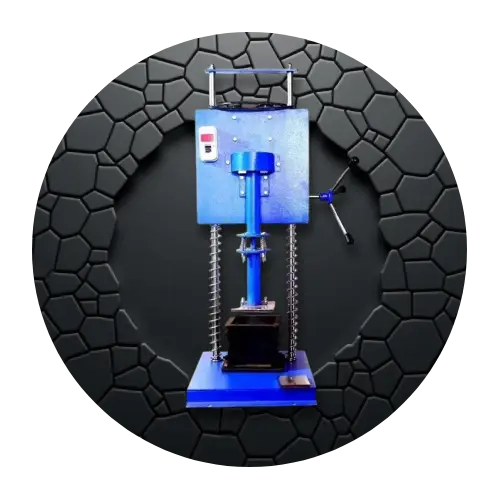
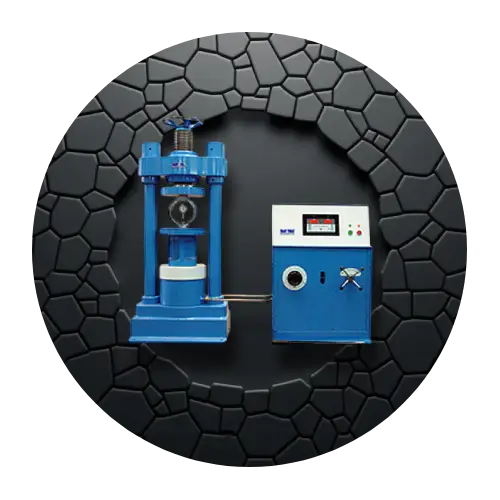
- Compression Testing Machine
- Slump Cone Apparatus
- Rebound Hammer
These tools measure compressive strength, workability, and durability of concrete.
Soil Testing Equipment
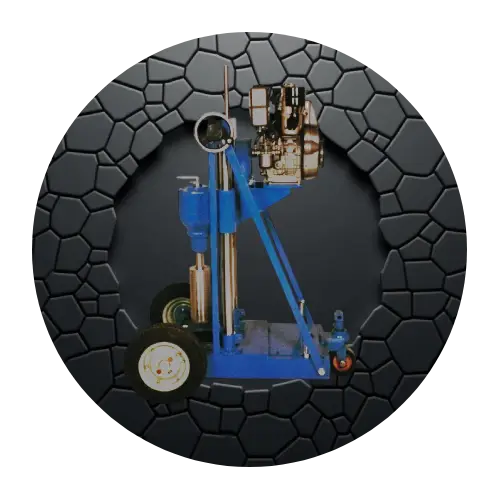
Soil testing determines the load-bearing capacity of the ground.
Key instruments:
- Proctor Compaction Apparatus
- CBR Testing Machine
- Triaxial Testing Equipment
These tests help engineers design stable foundations and prevent structural settlement.
Cement Testing Equipment
Cement quality directly affects concrete performance.
Important tools:
- Vicat Apparatus
- Fineness Testing Machine
- Soundness Testing Equipment
These instruments evaluate setting time, fineness, and expansion properties of cement.
Aggregate Testing Equipment
Aggregates form a major part of concrete. Testing ensures strength and durability.
Examples:
- Aggregate Impact Tester
- Los Angeles Abrasion Testing Machine
- Sieve Shaker
These tests determine resistance to wear, impact, and particle size distribution.
Bitumen Testing Equipment
Bitumen is widely used in road construction. Testing ensures proper performance under varying conditions.
Key tools:
- Penetration Test Apparatus
- Ductility Testing Machine
- Softening Point Apparatu
Benefits of Choosing a Reliable Civil Lab Equipment Supplier
High-Quality Equipment
A trusted supplier provides accurate and durable testing instruments that deliver consistent results.
Wide Product Range
Reliable suppliers offer a comprehensive selection of equipment, enabling clients to source all testing instruments from one place.
Compliance with Standards
Top suppliers ensure their equipment meets IS, ASTM, and international standards, ensuring accurate and accepted test results.
Technical Support and Training
Suppliers provide installation, calibration, and training, helping users operate equipment efficiently and accurately.
After-Sales Service
Maintenance and servicing are crucial for long-term performance. A good supplier offers ongoing support and spare parts availability.
Key Features to Look for in a Civil Lab Equipment Supplier
Experience and Reputation
Choose a supplier with proven experience and positive client feedback in the construction industry.
Product Quality and Certification
Ensure the equipment is tested, certified, and compliant with industry standards.
Customization Options
Some projects require specialized equipment. A good supplier should offer tailored solutions.
Timely Delivery
Project timelines depend on equipment availability. Reliable suppliers ensure on-time delivery.
Competitive Pricing
Balance cost with quality to get the best value for your investment.
Applications of Civil Lab Equipment
Construction Projects
Used for testing materials before and during construction to ensure quality and safety.
Infrastructure Development
Essential for large-scale projects like highways, bridges, airports, and dams.
Research Laboratories
Used in R&D for developing new construction materials and technologies.
Educational Institutions
Engineering colleges and technical institutes use lab equipment for teaching and research.
Role of Technology in Modern Civil Lab Equipment
Modern civil lab equipment is evolving with advanced technologies, including:
- Digital Displays and Automation – Improves accuracy and reduces human error
- Data Logging and Analysis – Enables easy record-keeping and reporting
- Remote Monitoring Systems – Allows real-time tracking of test results
- Integration with Software – Enhances data analysis and decision-making
These advancements improve efficiency and make testing processes faster and more reliable.
Why Partnering with the Right Supplier Matters
Choosing the right civil lab equipment supplier can significantly impact project outcomes. A reliable partner ensures:
- Accurate and consistent test results
- Compliance with safety and quality standards
- Reduced downtime due to equipment failure
- Long-term cost savings through durable equipment
Conclusion
Looking for reliable soil testing equipment suppliers or concrete testing equipment manufacturers in Delhi call to Engineering Solutions Equipment Civil lab equipment plays a crucial role in ensuring the quality, safety, and durability of construction materials. From testing concrete strength to analyzing soil properties, these instruments are essential for every stage of a construction project.
Partnering with a trusted civil lab equipment supplier ensures access to high-quality, reliable, and compliant testing instruments, along with expert support and service. This not only enhances project efficiency but also ensures long-term structural integrity and safety.
Whether you are a contractor, engineer, laboratory operator, or educational institution, investing in the right civil lab equipment and supplier is key to achieving accurate results and successful project execution.