


Introduction
Every successful construction project begins with a strong foundation, and the strength of that foundation depends largely on the quality of the soil beneath it. Whether it is a residential building, commercial complex, highway, railway, bridge, dam, airport, or industrial facility, understanding soil characteristics before construction is one of the most critical steps in the planning process. Without proper soil investigation, even the best-designed structures may face issues such as uneven settlement, cracking, water seepage, or structural instability.
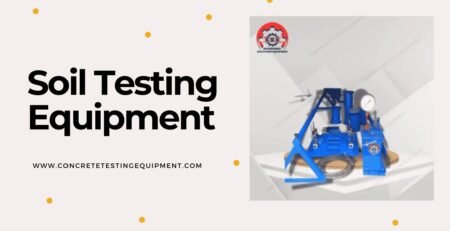
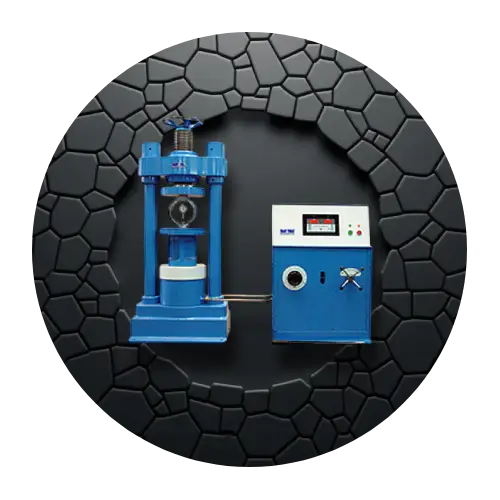
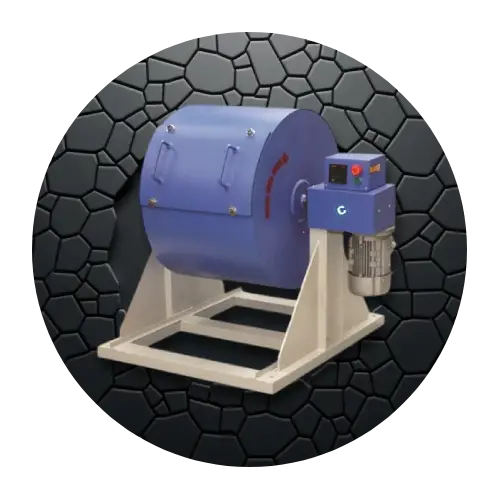
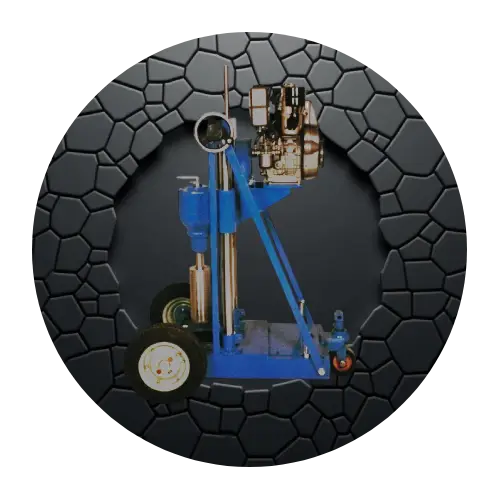
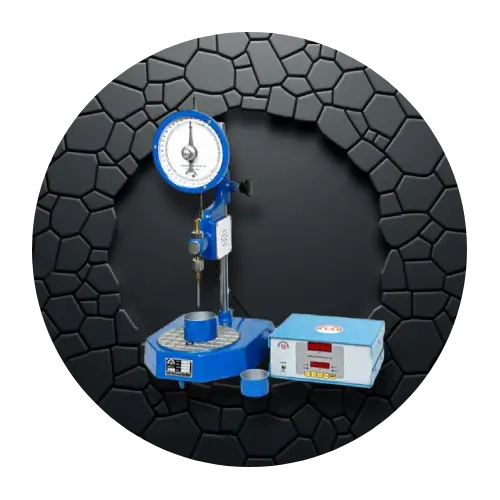
This is where Soil Testing Equipment becomes essential. These instruments help engineers, contractors, and geotechnical laboratories evaluate the engineering properties of soil before construction begins. By performing various laboratory and field tests, engineers can determine the soil’s load-bearing capacity, moisture content, density, permeability, shear strength, compaction characteristics, and many other important parameters.
Modern construction standards require accurate soil investigation to ensure compliance with engineering specifications and safety regulations. Reliable testing equipment provides precise results that help engineers make informed decisions regarding foundation design, pavement thickness, excavation methods, drainage systems, and ground improvement techniques.
Engineering Solutions Equipment is a trusted supplier of high-quality Soil Testing Equipment, offering reliable laboratory and field testing solutions for construction companies, engineering colleges, research institutions, infrastructure developers, and geotechnical laboratories across various industries.
Why Soil Testing Is Important Before Construction
Soil is not the same everywhere. Even within a single construction site, soil properties may vary considerably from one location to another. Some soils have excellent load-bearing capacity, while others may be highly compressible or prone to expansion and shrinkage.
Conducting soil testing before construction helps engineers understand these variations and select the most suitable foundation system. It also reduces construction risks and prevents costly repairs in the future.
Proper soil testing allows engineers to determine:
- Safe bearing capacity of soil
- Moisture content
- Soil classification
- Compaction characteristics
- Permeability
- Shear strength
- Density
- Consolidation properties
These parameters play a major role in designing safe and durable structures.
Without proper soil testing, projects may encounter foundation failure, excessive settlement, slope instability, pavement deterioration, and water drainage issues. Therefore, investing in quality Soil Testing Equipment is essential for achieving reliable construction outcomes.
What Is Soil Testing Equipment?
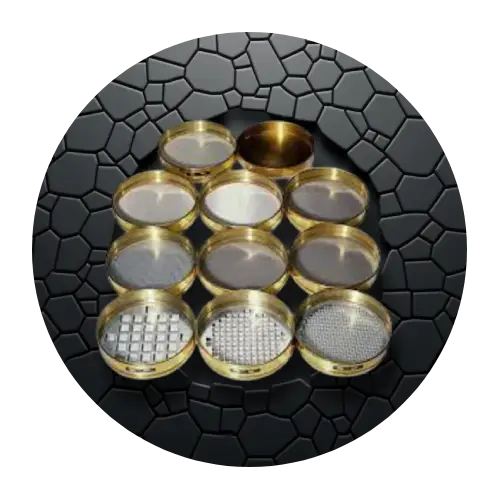
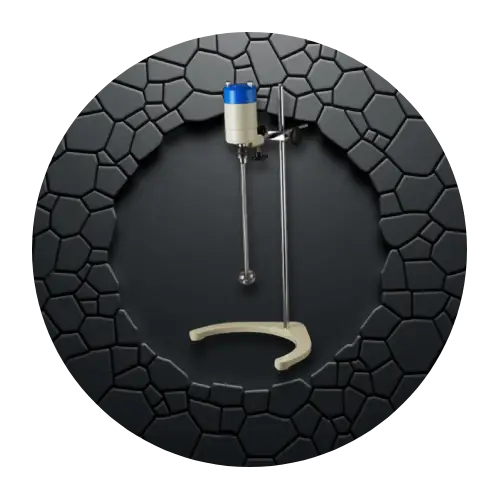
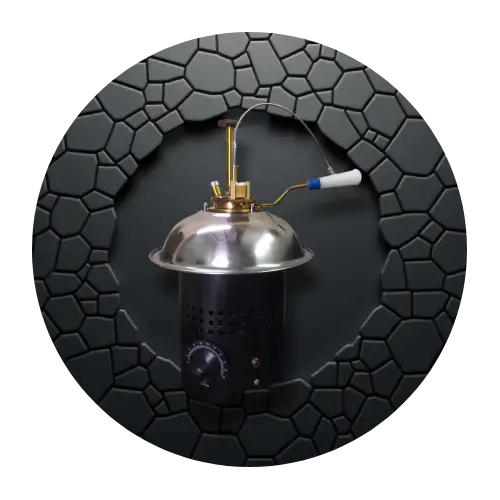
Soil Testing Equipment refers to a range of laboratory and field instruments used to evaluate the physical and mechanical properties of soil. These instruments enable engineers to measure soil characteristics accurately and determine whether the ground is suitable for a particular construction project.
Different equipment is used depending on the type of soil test being performed. Some instruments are designed for laboratory analysis, while others are intended for field investigations. Together, they provide comprehensive information about the condition of the soil.
The results obtained through soil testing help civil engineers design appropriate foundations, retaining structures, roads, embankments, and drainage systems while ensuring compliance with engineering standards.
Common Types of Soil Testing Equipment
Construction and geotechnical laboratories use a variety of testing instruments to analyze soil properties. Each piece of equipment serves a specific purpose and contributes to the overall assessment of ground conditions.
Moisture Content Testing Equipment
Moisture content is one of the most important properties affecting soil behavior. Excess moisture can reduce soil strength, while insufficient moisture may influence compaction results.
Moisture testing equipment helps determine the water content present in soil samples. These tests are commonly performed before compaction and foundation design to ensure accurate engineering calculations.
Compaction Testing Equipment
Proper compaction improves soil strength and minimizes future settlement.
Compaction testing equipment is used to determine the relationship between moisture content and dry density, helping engineers identify optimum moisture conditions for construction.
These tests are widely performed during:
- Highway construction
- Airport runways
- Building foundations
- Earth dams
- Industrial flooring
Accurate compaction testing improves structural stability and long-term performance.
Direct Shear Testing Equipment
Shear strength is one of the key parameters used to evaluate soil stability.
Direct shear testing equipment measures the resistance of soil against sliding forces. The results are particularly useful for designing retaining walls, slopes, embankments, and shallow foundations.
Understanding shear strength enables engineers to predict how soil will behave under different loading conditions.
Permeability Testing Equipment
Permeability indicates how easily water can pass through soil.
This property is important when designing drainage systems, foundations, retaining structures, and hydraulic projects. Permeability testing equipment helps engineers determine groundwater movement and seepage characteristics.
The information obtained supports effective water management and improves project durability.
Consolidation Testing Equipment
Some soils compress gradually under applied loads. Consolidation testing equipment evaluates this settlement behavior over time.
These tests are particularly important for structures built on clay or other compressible soils. Engineers use consolidation data to estimate long-term settlement and design foundations accordingly.
Density Testing Equipment
Soil density directly affects foundation performance and pavement strength.
Density testing equipment helps verify whether soil has been compacted according to project specifications. Maintaining proper density is essential for roads, highways, bridges, and industrial construction projects.
Applications of Soil Testing Equipment
The use of Soil Testing Equipment extends across multiple sectors of the construction and infrastructure industry.
Building Construction
Before constructing residential or commercial buildings, engineers perform soil testing to determine the appropriate foundation type. Soil investigation minimizes the risk of structural settlement and improves building safety.
Road and Highway Projects
Road construction requires proper evaluation of subgrade soil to ensure pavement durability. Soil testing helps engineers determine compaction requirements and pavement design parameters.
Bridge Construction
Bridge foundations must safely transfer loads to the ground. Soil testing provides essential information about bearing capacity, groundwater conditions, and settlement characteristics.
Dam and Irrigation Projects
Hydraulic structures require detailed soil analysis to prevent seepage and improve structural stability. Soil testing supports safe and efficient dam construction.
Industrial Projects
Factories, warehouses, power plants, and manufacturing facilities require strong foundations capable of supporting heavy machinery and equipment. Soil testing helps engineers design suitable foundation systems.
Educational and Research Laboratories
Engineering colleges, universities, and research institutions use soil testing equipment for practical training, laboratory demonstrations, and geotechnical research activities.
Benefits of Using High-Quality Soil Testing Equipment
The accuracy of test results depends greatly on the quality of the equipment being used.
Reliable Soil Testing Equipment offers several advantages. It provides consistent measurements, improves laboratory efficiency, and minimizes testing errors. Engineers can make better design decisions based on dependable results, ultimately improving project safety and reducing construction risks.
Other benefits include:
- High testing accuracy
- Long service life
- Reliable performance
- Compliance with testing standards
- Improved laboratory productivity
- Reduced maintenance requirements
Using quality instruments also enhances the credibility of testing laboratories and engineering consultants.
Factors to Consider When Choosing Soil Testing Equipment
Selecting suitable testing equipment requires careful evaluation of several factors.
The first consideration should always be compliance with recognized testing standards such as IS, ASTM, or BS specifications. Equipment manufactured according to these standards ensures reliable and internationally accepted test results.
It is also important to evaluate build quality, measurement accuracy, ease of operation, calibration support, spare parts availability, and after-sales service. Laboratories that perform frequent testing should invest in durable equipment capable of delivering consistent performance over many years.
Choosing an experienced supplier helps ensure access to quality products, technical guidance, installation support, and maintenance assistance whenever required.
Importance of Regular Calibration and Maintenance
Even the best testing instruments require periodic calibration and maintenance.
Regular calibration ensures that measurements remain accurate throughout the equipment’s service life. Routine inspection also helps identify worn components before they affect testing performance.
Laboratories should establish preventive maintenance schedules to maintain testing accuracy and comply with quality management systems.
Proper maintenance improves equipment reliability while extending operational life and reducing unexpected downtime.
Why Choose Engineering Solutions Equipment?
Choosing the right supplier is as important as selecting the right equipment. A trusted supplier provides not only quality products but also technical expertise, dependable customer support, and long-term service assistance.
Engineering Solutions Equipment has earned a reputation for supplying reliable Soil Testing Equipment that meets the requirements of construction companies, government organizations, engineering institutions, testing laboratories, consultants, and infrastructure developers.
The company offers a comprehensive range of laboratory and field testing instruments designed to deliver accurate, consistent, and dependable results. Every product is selected with a focus on quality, durability, and compliance with industry standards.
Customers also benefit from professional guidance in selecting suitable equipment based on their laboratory requirements, project scope, and testing applications. With a strong commitment to quality and customer satisfaction, Engineering Solutions Equipment continues to support civil engineering professionals with reliable testing solutions.
Conclusion
Soil investigation forms the foundation of every successful construction project. Accurate testing allows engineers to understand ground conditions, design safe foundations, reduce construction risks, and ensure long-term structural performance.
Modern Soil Testing Equipment plays a vital role in evaluating soil properties such as moisture content, density, permeability, compaction, shear strength, and consolidation. Reliable instruments help engineers make informed decisions that improve safety, efficiency, and project quality.
Whether you are establishing a new geotechnical laboratory or upgrading existing testing facilities, investing in high-quality equipment is essential for achieving accurate and dependable results.
Engineering Solutions Equipment provides comprehensive Soil Testing Equipment solutions designed to meet the diverse needs of construction companies, laboratories, educational institutions, and infrastructure projects. With a focus on quality, precision, and customer support, the company remains a trusted partner for modern civil engineering testing requirements.
Frequently Asked Questions
1. What is Soil Testing Equipment used for?
Soil Testing Equipment is used to determine soil properties such as moisture content, density, compaction, permeability, shear strength, and bearing capacity before construction begins.
2. Why is soil testing important in construction?
Soil testing helps engineers design safe foundations, prevent structural failures, reduce construction risks, and comply with engineering standards.
3. Which industries use Soil Testing Equipment?
Construction companies, geotechnical laboratories, engineering consultants, research institutes, government departments, educational institutions, and infrastructure developers commonly use Soil Testing Equipment.
4. How often should soil testing equipment be calibrated?
Calibration should be performed periodically according to manufacturer recommendations and laboratory quality procedures to maintain testing accuracy.
5. Why choose Engineering Solutions Equipment?
Engineering Solutions Equipment supplies reliable, standards-compliant Soil Testing Equipment backed by quality products, technical expertise, dependable customer support, and solutions for laboratories, educational institutions, and construction projects.