


In construction and civil engineering, concrete quality is the foundation of structural integrity, durability, and safety. Ensuring that concrete meets the desired strength, consistency, and performance parameters is critical for any project, from residential buildings to large-scale infrastructure.
This is where concrete test equipment comes into play. Using the right testing tools and instruments allows engineers, contractors, and quality control teams to monitor and maintain high standards in concrete work. In this comprehensive guide, we’ll explore the types, functions, and importance of concrete test equipment in construction and civil engineering projects.
Why Concrete Testing Matters
Concrete is a composite material consisting of cement, aggregates, water, and admixtures. Variations in these components or errors during mixing, placing, and curing can lead to:
- Reduced compressive strength
- Cracks or structural failures
- Uneven durability across different sections of a structure
Concrete testing ensures that the mix meets design specifications, maintains quality consistency, and complies with industry standards such as IS 456 (Indian Standard) and ASTM guidelines. Using accurate test equipment is vital for achieving these outcomes.
Key Types of Concrete Test Equipment
Concrete test equipment can be broadly categorized into fresh concrete testing, hardened concrete testing, and specialized equipment.
Fresh Concrete Test Equipment
Fresh concrete testing evaluates the properties of concrete immediately after mixing. Key tests include:
Slump Test Apparatus
- Purpose: Measures workability or consistency of fresh concrete.
- Components: Slump cone, base plate, tamping rod.
- Importance: Ensures proper flow and ease of placement without segregation.
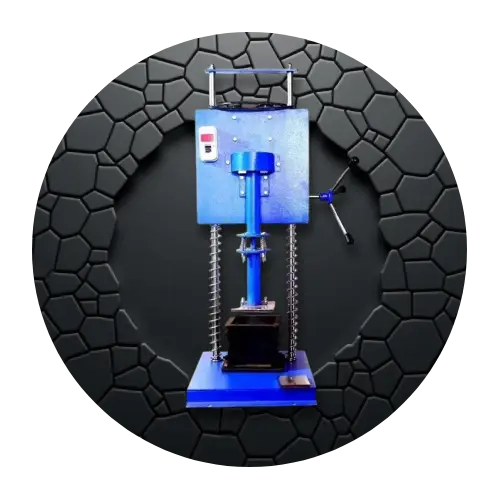
Compacting Factor Test Equipment
- Purpose: Measures the degree of compaction of concrete under vibration or manual compaction.
- Significance: Helps determine mix quality and potential strength.
Vee-Bee Consistometer
- Purpose: Determines workability for low-workability concrete used in heavy-duty structures.
- Importance: Ensures the concrete can be placed and compacted correctly.
Hardened Concrete Test Equipment
Once concrete has set, testing evaluates strength, durability, and structural performance.
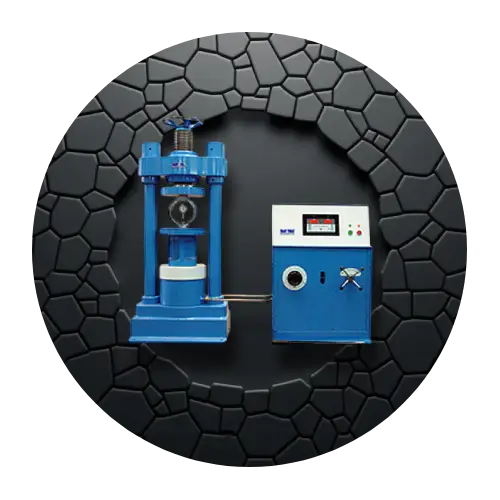
Compression Testing Machine (CTM)
- Purpose: Measures compressive strength of concrete cubes or cylinders.
- Applications: Quality control for structural components like columns, beams, and slabs.
- Capacity: Modern CTMs can range from 200 kN to 2000 kN depending on project requirements.
Flexural Testing Machine
- Purpose: Tests flexural strength of concrete beams or slabs.
- Importance: Ensures beams and slabs can resist bending forces without failure.
Rebound Hammer
- Purpose: Non-destructive testing to estimate surface hardness and compressive strength.
- Benefits: Quick on-site evaluation without damaging the structure.
Ultrasonic Pulse Velocity Tester
- Purpose: Measures the quality and uniformity of hardened concrete.
- Significance: Detects cracks, voids, or honeycombing in structural elements.
Specialized Concrete Test Equipment
Advanced or specialized tests ensure concrete meets specific performance criteria:
Concrete Permeability Test Equipment
- Evaluates resistance to water and chemical penetration.
- Critical for waterproofing structures, tunnels, and dams.
Curing Tank and Molds
- Maintains specimens under controlled temperature and humidity for proper curing.
- Ensures strength development aligns with design specifications.
Air Content Meters
- Measures air content in concrete mix, important for freeze-thaw resistance.
d. Vibration Table
- Ensures proper compaction in precast concrete elements, reducing voids and improving strength.
Importance of Using Authorized Suppliers for Concrete Test Equipment
Choosing the right equipment is only part of the equation. The supplier’s reliability also affects test accuracy, durability, and compliance with standards.
Certified and Calibrated Equipment
Authorized suppliers provide equipment calibrated according to IS, ASTM, or ISO standards, ensuring:
- Accurate test results
- Consistency across multiple tests
- Compliance for legal and regulatory inspections
Durability and Reliability
Concrete test equipment is subjected to rigorous use on construction sites and labs. Quality suppliers ensure equipment:
- Withstands wear and tear
- Maintains precision over time
- Reduces downtime and replacement costs
Technical Support and Training
Authorized suppliers often provide:
- On-site demonstrations
- Training for engineers and technicians
- Guidance on equipment maintenance and calibration
This ensures accurate testing and avoids errors in concrete evaluation.
After-Sales Service
Reliable suppliers offer after-sales services, including:
- Calibration services
- Spare parts supply
- Repairs and maintenance
These services extend the lifespan of expensive equipment and ensure uninterrupted testing.
Applications of Concrete Test Equipment in Construction Projects
Concrete test equipment is vital across multiple construction and civil engineering scenarios:
High-Rise Buildings
- Ensures columns, beams, and slabs meet design strength.
- Detects weak zones and ensures structural safety.
Bridges and Flyovers
- Compression and flexural tests verify load-bearing capacity.
- Non-destructive testing ensures long-term durability.
Dams and Water Retaining Structures
- Permeability and air content tests are critical for preventing water leakage.
- Ultrasonic pulse velocity detects internal cracks and voids.
Industrial Structures
- Precast elements, storage tanks, and silos require precise testing for structural integrity.
- Vibration tables and compaction tests ensure dense, strong concrete.
Roads and Pavements
- Slump and workability tests ensure uniform compaction.
- Cube testing ensures concrete strength meets traffic load requirements.
Benefits of Using Concrete Test Equipment
- Quality Assurance – Guarantees that concrete meets design and safety specifications.
- Cost Efficiency – Detects problems early, reducing rework and project delays.
- Safety Compliance – Ensures structures meet regulatory and building code standards.
- Data-Driven Decisions – Allows engineers to adjust mix design and placement techniques.
- Long-Term Durability – Proper testing improves lifespan of structures and reduces maintenance costs.
Maintenance and Calibration of Concrete Test Equipment
To maintain accuracy and longevity:
- Regular Calibration – Periodically check CTMs, rebound hammers, and flexural machines against certified standards.
- Proper Storage – Keep equipment in dry, temperature-controlled environments.
- Routine Cleaning – Prevent cement dust or debris from affecting precision instruments.
- Training Personnel – Ensure technicians are trained in correct usage to avoid damage or errors.
Authorized suppliers often provide calibration certificates and service schedules for reliable performance.
Future Trends in Concrete Testing
Digital and Smart Equipment – Sensors, data loggers, and IoT-enabled devices provide real-time concrete quality monitoring.
Non-Destructive Testing (NDT) – Increasing use of ultrasonic, rebound, and ground-penetrating radar techniques for on-site evaluation.
Automated Lab Equipment – Reduces human error and improves efficiency in large-scale projects.
Eco-Friendly and Sustainable Testing Solutions – Equipment that minimizes material waste and energy consumption.
Conclusion
Concrete test equipment plays a critical role in ensuring the quality, safety, and durability of construction and civil engineering projects. From fresh concrete testing like slump and compaction tests to hardened concrete testing using compression machines and ultrasonic devices, proper testing ensures structures meet design requirements and regulatory standards.
By sourcing equipment from Engineering Solutions Equipment, engineers and contractors can guarantee:
- Accurate results
- Long-lasting, durable instruments
- Technical support and calibration services






Leave a Reply