



Introduction
Quality concrete is the main reason for the safety, durability and long life of all types of structures – including bridges, dams, houses, and buildings for commercial use. To make sure that the concrete would perform well, be consistent, and meet standards (like ASTM, BS, IS), construction labs depend on different types of concrete testing equipment. In this guide, we will discuss the main instruments, their applications, and the best practices for quality control labs.
Why Concrete Testing Matters
Concrete is a composite material — and its properties can vary widely based on mix design, materials, handling, and curing conditions. Testing helps engineers and lab technicians:
✔ Verify strength and durability
✔ Assess workability and consistency
✔ Prevent structural failures
✔ Comply with international quality standards
1. Fresh Concrete Testing Equipment
1.1 Slump Cone Test
Purpose: Measures concrete workability and consistency.
Key Equipment:
- Slump cone
- Tamping rod
- Base plate
How it works: The cone is filled in layers and compacted. After lifting the cone, the slump value is measured — a critical indicator of fluidity.
1.2 Compaction Factor Apparatus
Purpose: Assesses workability, especially for low-workability mixes.
Outcome: Compaction factor value — useful in mix optimization.
1.3 Vee-Bee Consistometer
Purpose: Suitable for very stiff concrete where slump test isn’t effective.
Result: Conversion of movement time into consistency value.
2. Hard Concrete Testing Equipment
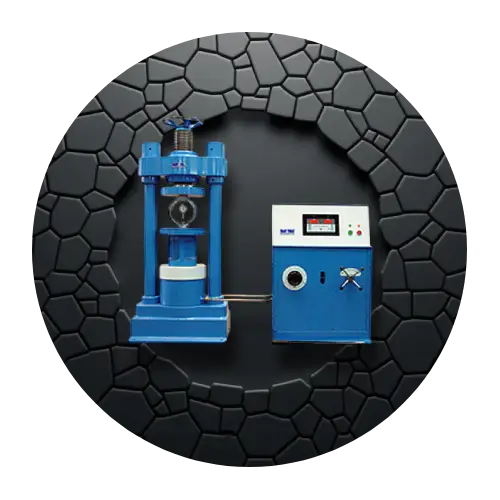
2.1 Compression Testing Machine (CTM)
Core Function: Determines compressive strength of concrete cubes or cylinders.
Importance: Fundamental quality metric — most structural designs are based on compressive strength.
Modern machines support:
✔ Digital load controls
✔ Automatic data logging
✔ Adjustable load speeds
2.2 Flexural Testing Machine
Purpose: Tests the bending strength of concrete beams.
Why it matters: Determines tensile behavior — especially crucial for pavements and slabs.
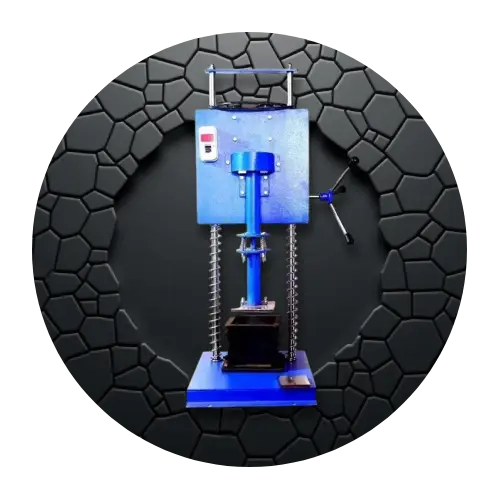
2.3 Impact Testing Machine
Used to: Measure toughness and resistance to sudden loads (important for industrial floors etc.).
3. Non-Destructive Testing (NDT) Equipment
NDT tools assess concrete without damaging the structure — perfect for in-situ checks.
3.1 Rebound Hammer (Schmidt Hammer)
What it does: Measures surface hardness to infer concrete strength.
Best for: Quick field estimates and uniformity checks.
3.2 Ultrasonic Pulse Velocity (UPV) Tester
Purpose: Detects cracks, voids, and concrete quality by measuring the speed of an ultrasonic pulse through the material.
Faster velocity = better concrete quality.
3.3 Cover Meter
Function: Measures rebar depth (cover) and detects reinforcement location — vital for durability and corrosion protection.
4. Sampling & Preparation Equipment
Accurate testing begins with proper sampling.
✔ Concrete Cube/Cylinder Molds – Standard sizes for strength tests
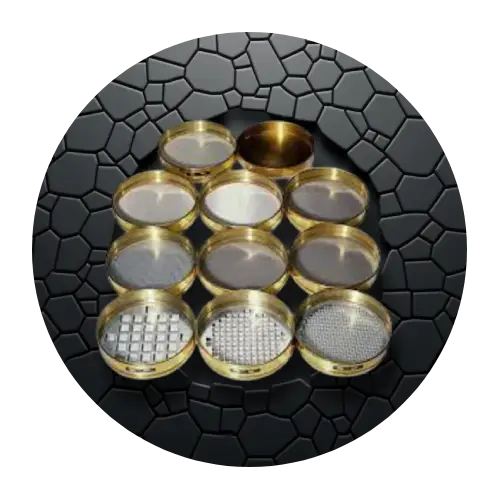
✔ Sieves & Sieve Shakers – For aggregate grading and size analysis
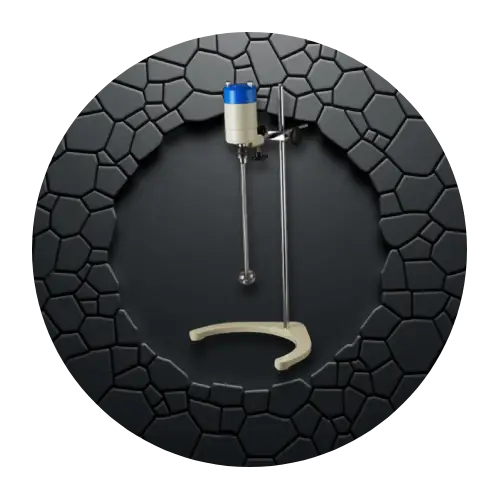
✔ Mixers & Molds – Ensuring uniform samples
5. Laboratory Accessories & Safety Gear
Don’t overlook essentials:
- Moisture meters
- Thermometers & Hygrometers (curing conditions)
- Precision Scales
- Tamping rods / spacers
- PPE (gloves, goggles, helmets)
6. Standards & Compliance
Reliable results require adherence to recognized standards:
ASTM (American Society for Testing and Materials)
BS (British Standards)
EN (European Norms)
IS (Indian Standards)
Examples:
- ASTM C39 – Compressive strength
- ASTM C143 – Slump test
- IS 516 – Methods of tests for strength of concrete
Following standards ensures:
✔ Valid test results
✔ Global acceptance
✔ Legal & safety compliance
7. Choosing the Right Equipment
When procuring concrete testing tools:
Opt for certified calibration
Choose digital models for better accuracy & records
Evaluate after-sales support
Check durability & build quality
Tip: Choose equipment with data logging, calibration certificates and service backups — especially for high-volume labs.
8. Maintenance & Calibration
Routine upkeep maximizes lifespan and accuracy:
✔ Clean equipment after every use
✔ Schedule annual calibration
✔ Follow manufacturer manuals
✔ Keep calibration certificates updated
Neglecting maintenance leads to false results and costly errors.
Conclusion
Concrete testing equipment is the backbone of a reliable quality control lab. From fresh mix tests to hardened concrete analysis and non-destructive methods, each tool plays a vital role in ensuring concrete performs as intended. Invest in accurate instruments, adhere to standards, and maintain your lab equipment — because quality concrete means safe, lasting structures.







Leave a Reply