

Introduction
The selection of a supplier for concrete testing equipment is very important for quality control labs, construction companies, or materials testing facilities. The performance of your instruments in terms of accuracy, lifespan, and trustworthiness is the decisive factor for testing outcomes — and eventually, structural safety and conformity with regulations. You can rely on this manual to guide you through a step-by-step process for picking dependable suppliers who offer quality, service, and value.
1. Know What You Need
Before evaluating suppliers, clarify your equipment needs:
🔹 Types of tests you perform (fresh concrete, hardened concrete, NDT)
🔹 Volume of testing (frequency & batch size)
🔹 Required accuracy & compliance with standards (ASTM, IS, BS, EN)
🔹 Budget and long-term plans
Having a detailed equipment list lets you compare suppliers more effectively.
2. Evaluate Supplier Reputation
Check Industry Experience
- Established suppliers are more likely to understand lab requirements and compliance.
- Experience often correlates with better product quality and support.
Read Customer Reviews & Feedback
- Testimonials from labs and engineers show real-world performance.
- Check for reviews on independent platforms or industry forums.
🔍 Tip: Ask for references — reputable suppliers should gladly share them.
3. Ensure Compliance with Standards
Reliable suppliers offer equipment that complies with recognized standards like:
📌 ASTM (American Society for Testing and Materials)
📌 IS (Indian Standards)
📌 BS (British Standards)
📌 EN (European Norms)
For example:
- Slump test apparatus per ASTM C143 / IS 1199
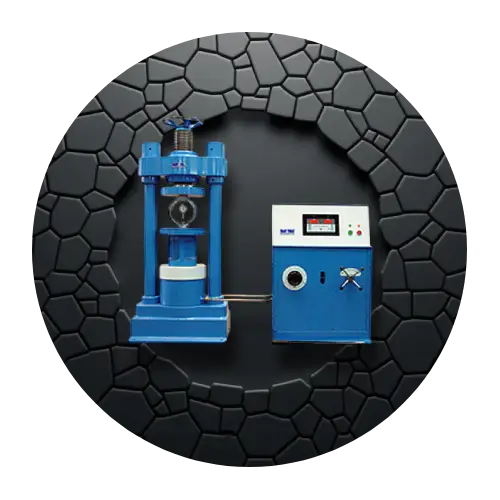
- Compression testing machines per ASTM C39 / IS 516
Always verify certification documents before purchase.
4. Inspect Quality & Build
The durability and performance of concrete testing equipment depend on:
✔ Material quality (steel grade, gauge plates, load cells)
✔ Precision manufacturing
✔ Reliable electronics & sensors
✔ Calibration stability
Ask for sample specifications or demo units to inspect build quality firsthand.
5. Check Calibration & Traceability
Accurate test results require properly calibrated equipment.
🔹 Does the supplier provide calibration certificates?
🔹 Are standards traceable to national/international bodies?
🔹 Do they offer re-calibration services?
A supplier who handles calibration support adds significant value to your purchase.
6. Evaluate After-Sales Support
Service & Maintenance
Reliable suppliers offer:
- On-site installation and training
- Warranty and repair services
- Annual maintenance contracts (AMCs)
Technical Support
- Prompt response to inquiries
- Availability of spare parts
- Troubleshooting and remote assistance
🛠 Tip: A 24/7 support hotline adds peace of mind.
7. Compare Pricing Strategically
Price matters — but avoid choosing based on the lowest cost alone.
💡 Consider:
- Total cost of ownership (includes service, calibration, spare parts)
- Warranty terms
- Delivery and installation charges
Best suppliers offer transparent pricing and value-for-money solutions.
8. Delivery, Installation & Training
A reliable supplier should:
✔ Deliver on time
✔ Provide professional installation
✔ Train your staff on correct use and safety
Proper training reduces misuse, extends equipment life, and improves test accuracy.
9. Warranty & Return Policies
Clear warranty terms are essential.
Ask for:
- Warranty duration for each instrument
- Coverage details (parts, labor)
- Return/refund policies in case of defects
Suppliers with customer-friendly policies build trust.
10. Look for Long-Term Partnerships
The right supplier becomes a long-term partner who understands your evolving lab needs.
Benefits include:
- Priority support
- Custom solutions
- Better pricing on upgrades
- Consistent calibration services






Leave a Reply