
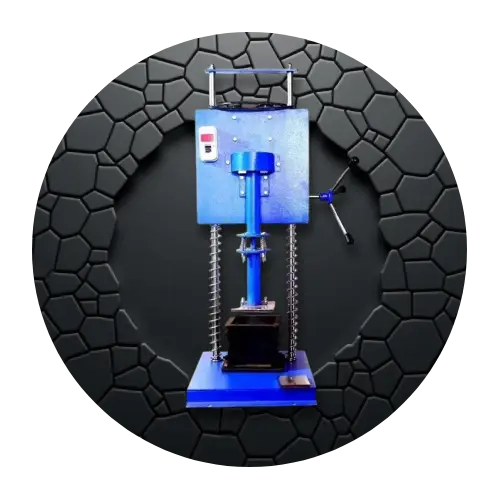
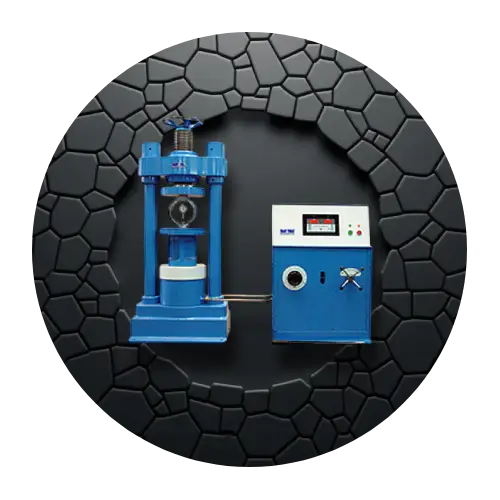
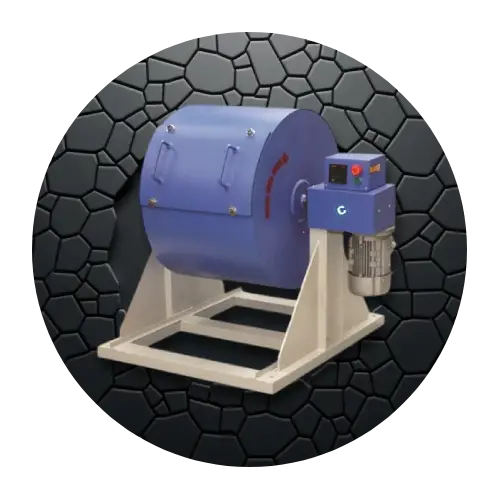
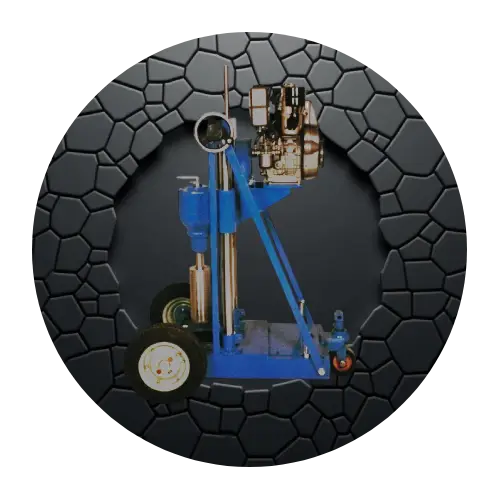
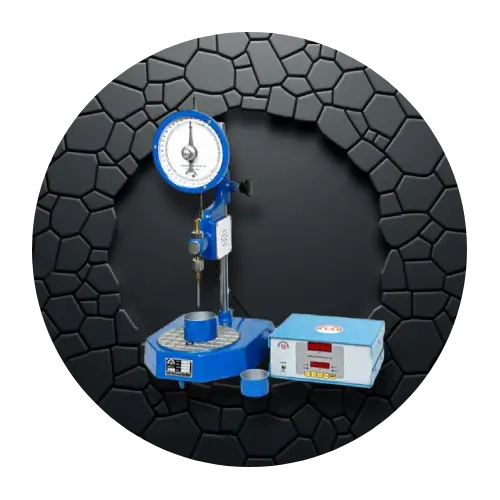
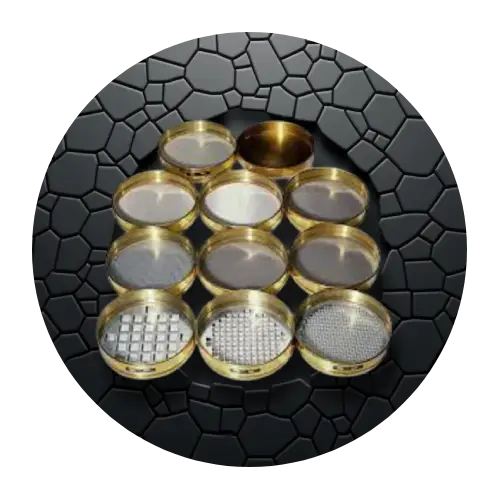
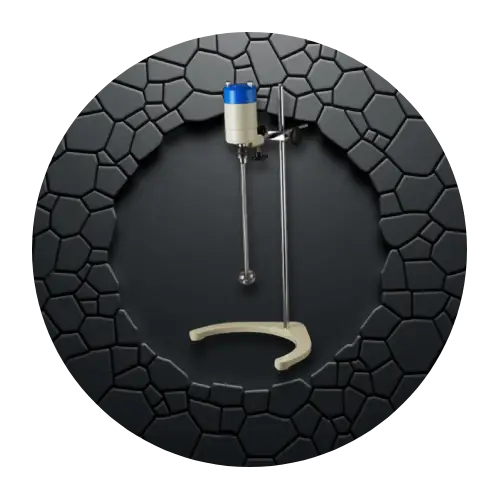

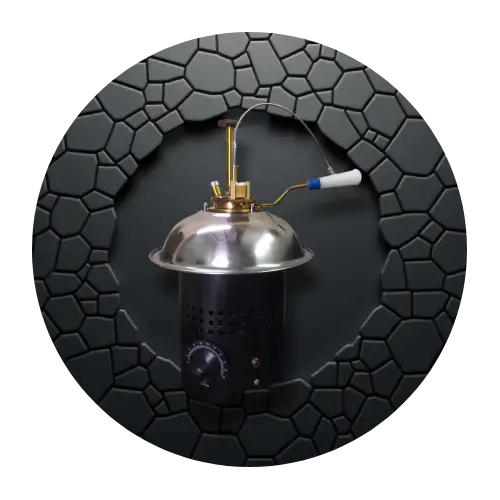
Rock testing is a step in mining, construction, tunnelling, geology and geotechnical engineering. Before any big project starts engineers need to know the mechanical features of rocks to make sure structures are safe, stable and last a long time. Whether building highways, bridges, dams, tunnels, railways or tall buildings correct rock testing helps reduce dangers and make projects work better.
Rock Testing Equipment is made to check rock features like how much pressure they can take, how much pulling force they can handle, how elastic they are, how hard they are, how much water they let through and how strong they stay over time. These tests give information that helps engineers decide on the best way to build foundations dig and choose materials.
Engineering Solutions Equipment is a maker and seller of Rock Testing Equipment in India. The company provides a set of modern testing tools that fit the needs of civil engineering labs, mining companies, geological research centres, construction companies, schools and quality control labs. Made with engineering and strong materials the equipment gives accurate, consistent and dependable test results.
This blog looks at why rock testing matters, what kinds of Rock Testing Equipment‘re available how they are used what advantages they offer and why Engineering Solutions Equipment is a reliable choice, for rock mechanics and geotechnical testing needs.
What is Rock Testing Equipment?
Rock Testing Equipment refers to specialised laboratory and field instruments used to determine the engineering and mechanical properties of rock samples. These tests help assess whether a rock is suitable for use in construction projects or whether the geological conditions are appropriate for excavation and foundation work.
Rock testing evaluates properties such as:
- Uniaxial compressive strength
- Tensile strength
- Point load strength
- Elastic modulus
- Density
- Porosity
- Water absorption
- Abrasion resistance
- Hardness
- Durability
These parameters are essential for designing safe and reliable infrastructure.
Why is Rock Testing Important?
Different rock formations behave differently under pressure, environmental conditions, and loading. Proper testing helps engineers identify potential challenges before construction begins.
Benefits of Rock Testing
- Ensures structural safety
- Improves foundation design
- Supports safe tunnelling operations
- Reduces construction risks
- Minimises project delays
- Ensures compliance with engineering standards
- Improves quality control
- Reduces maintenance costs
- Increases infrastructure lifespan
Accurate rock testing contributes to successful project planning and execution.
Types of Rock Testing Equipment
Engineering Solutions Equipment offers a wide range of rock testing instruments for laboratory and field applications.
Rock Compression Testing Machine
Used to determine the uniaxial compressive strength of rock specimens.
Applications include:
- Mining projects
- Dam construction
- Tunnel engineering
- Geotechnical investigations
Point Load Test Apparatus
Measures the point load strength index of rock samples for estimating compressive strength.
Suitable for:
- Geological surveys
- Site investigations
- Rock classification
Brazilian Tensile Strength Testing Equipment
Determines the indirect tensile strength of rock discs under controlled loading.
1 Schmidt Rebound Hammer
A non-destructive testing instrument used to estimate surface hardness and strength of rock formations.
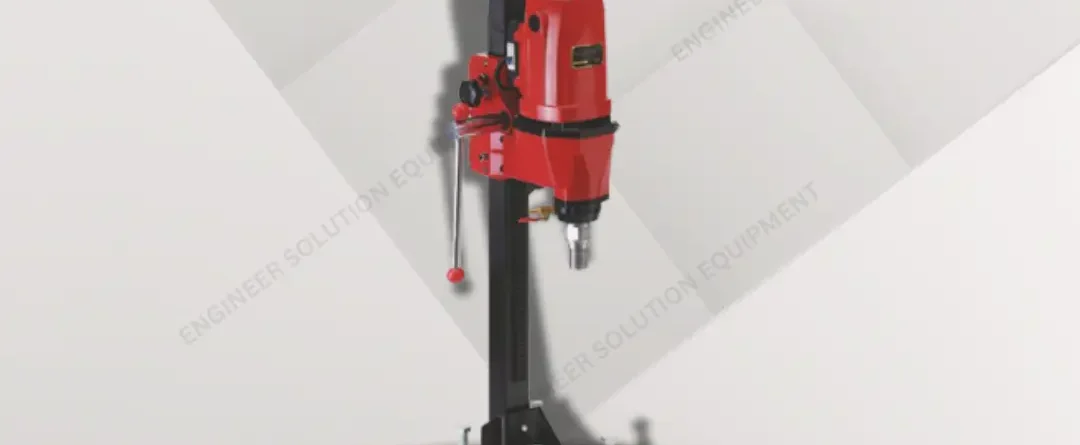
2 Core Cutting and Core Drilling Equipment
Used for extracting rock core samples for laboratory analysis.
3 Abrasion Testing Equipment
Measures the resistance of rocks to wear and abrasion.
4 Permeability Testing Equipment
Evaluates the ability of fluids to pass through rock formations.
5 Ultrasonic Pulse Velocity Tester
Assesses internal defects, cracks, and homogeneity of rock samples without causing damage.
6 Density and Porosity Testing Equipment
Determines density, specific gravity, and porosity characteristics of rocks.
7 Sample Preparation Equipment
Includes cutting machines, polishing equipment, and grinders used for preparing rock specimens before testing.
Features of Engineering Solutions Equipment Rock Testing Equipment
1 High Accuracy
Precision-engineered instruments deliver reliable and repeatable test results.
Heavy-Duty Construction
Manufactured using premium-quality materials to withstand rigorous laboratory and field use.
2 User-Friendly Design
Easy-to-operate controls simplify testing procedures for engineers and laboratory technicians.
3 Standards Compliance
Designed in accordance with applicable IS, ASTM, and international testing standards where required.
4 Corrosion-Resistant Finish
Suitable for demanding laboratory and mining environments.
5 Low Maintenance
Engineered for long service life with minimal maintenance requirements.
6 Durable Performance
Designed for continuous testing operations.
7 Comprehensive Product Range
Complete testing solutions for rock mechanics and geotechnical engineering.
Benefits of Using Quality Rock Testing Equipment
1 Improved Engineering Decisions
Accurate test data supports safe and efficient project planning.
Enhanced Structural Safety
Reliable testing helps identify suitable foundation conditions.
2 Better Quality Control
Ensures rock materials meet project specifications.
3 Reduced Construction Risks
Early identification of weak rock formations prevents costly failures.
4 Cost Savings
Optimised designs reduce unnecessary excavation and reinforcement costs.
5 Increased Project Efficiency
Fast and reliable testing accelerates construction planning.
6 Compliance with Standards
Supports regulatory approvals and quality certifications.
Applications of Rock Testing Equipment
1 Mining Industry
Used to evaluate rock formations before excavation and blasting.
2 Tunnel Construction
Determines rock strength and stability for safe tunnelling operations.
3 Dam Projects
Evaluates foundation rock conditions and permeability.
4 Highway Construction
Assesses rock quality for cuttings, slopes, and retaining structures.
5 Bridge Foundations
Supports safe foundation design in rocky terrains.
6 Railway Infrastructure
Evaluates rock formations for tunnels, embankments, and foundations.
7 Geological Surveys
Provides valuable information about rock composition and mechanical properties.
8 Civil Engineering Laboratories
Conducts routine quality control and research testing.
9 Universities and Research Institutions
Used for education, training, and advanced geotechnical research.
10 Oil & Gas Industry
Assesses rock formations for drilling and exploration activities.
Technical Specifications
Typical features include:
- Digital and manual models
- High-capacity loading systems
- Precision load measurement
- Heavy-duty steel construction
- Laboratory-grade accuracy
- Calibration compatibility
- Corrosion-resistant coatings
- Durable testing accessories
Specifications vary according to equipment type and testing requirements.
Why Choose Engineering Solutions Equipment?
Engineering Solutions Equipment is recognised for delivering high-quality material testing solutions across India.
Extensive Industry Experience
Years of expertise in civil engineering and geotechnical testing equipment.
Precision Manufacturing
Products are engineered using advanced manufacturing techniques and premium materials.
Wide Product Portfolio
Offers testing equipment for:
- Rock
- Soil
- Cement
- Concrete
- Aggregates
- Bitumen
Technical Support
Experienced professionals assist customers in equipment selection and application.
Competitive Pricing
Cost-effective testing solutions without compromising quality.
Timely Delivery
Reliable supply network ensures prompt deliveries nationwide.
After-Sales Service
Provides installation support, calibration guidance, and maintenance assistance.
Industries Served
Engineering Solutions Equipment supplies Rock Testing Equipment to:
- Mining Companies
- Construction Companies
- Infrastructure Developers
- Geotechnical Consultants
- Geological Survey Organisations
- Government Departments
- Civil Engineering Laboratories
- Engineering Colleges
- Research Institutions
- Dam Construction Companies
- Tunnel Contractors
- Oil & Gas Companies
How to Choose the Right Rock Testing Equipment
Before purchasing, consider:
- Type of rock tests required
- Laboratory or field applications
- Applicable testing standards
- Sample size
- Testing frequency
- Accuracy requirements
- Automation preferences
- Calibration support
- Budget
- Future laboratory expansion
Choosing the right equipment improves testing efficiency and project reliability.
Maintenance Tips
To ensure long-term performance:
- Clean equipment after each use.
- Calibrate instruments periodically.
- Inspect moving components regularly.
- Lubricate mechanical parts where required.
- Replace worn accessories promptly.
- Store equipment in clean, dry environments.
- Maintain testing and calibration records.
- Follow manufacturer maintenance guidelines.
Routine maintenance ensures consistent accuracy and extended equipment life.
Latest Trends in Rock Testing Technology
The field of geotechnical engineering continues to evolve with advanced testing technologies.
Current innovations include:
- Digital rock testing systems
- Automated data acquisition
- Non-destructive testing methods
- IoT-enabled laboratory equipment
- AI-assisted data analysis
- Cloud-based reporting
- Portable field testing devices
- Industry 4.0 integration
Engineering Solutions Equipment continues to adopt modern technologies to meet the changing needs of laboratories and infrastructure projects.
Why Professionals Trust Engineering Solutions Equipment
Customers across India choose Engineering Solutions Equipment because of:
- High-quality testing equipment
- Precision engineering
- Reliable performance
- Comprehensive product range
- Competitive pricing
- Technical expertise
- Prompt delivery
- Dedicated customer support
These strengths have established the company as a trusted partner for geotechnical and construction material testing solutions.
Future of Rock Testing Equipment
As infrastructure projects become more complex, demand for advanced rock testing solutions continues to grow.
Future developments include:
- AI-powered testing systems
- Fully automated laboratories
- IoT-connected testing instruments
- Remote monitoring capabilities
- Digital calibration management
- Smart data analytics
- Sustainable laboratory technologies
- Real-time performance reporting
These innovations will further improve testing accuracy, operational efficiency, and engineering reliability.
Conclusion
Rock testing is an important part of building things, mining and making sure the ground is safe. When we know how rocks behave we can make sure buildings and bridges are safe plan projects better avoid problems and make sure they last a long time.
Engineering Solutions Equipment is a company that people trust to make and supply equipment for testing rocks. They make machines that help mining companies, labs that test buildings and roads people who build big projects, schools and researchers figure out how rocks work. This company is good because they make quality products they know what they are doing their prices are fair and they help their customers when they need it.
If you need a machine to squeeze rocks a tool to test how strong a rock is, a special hammer to test rocks equipment to see how water moves through rocks or a whole lab to test the ground Engineering Solutions Equipment has what you need. They make products that work well and help people get results and make their projects better. Rock testing is what they do. They do it well. They have Rock Compression Testing Machines and other equipment, like Point Load Test Apparatus and Schmidt Rebound Hammer that help people test rocks.