

Introduction
Soil is the foundation of every construction project, whether it is a residential building, commercial complex, bridge, highway, dam, airport, railway project, or industrial facility. Before any structure is built, understanding the properties and behavior of soil is essential to ensure safety, stability, and long-term performance.
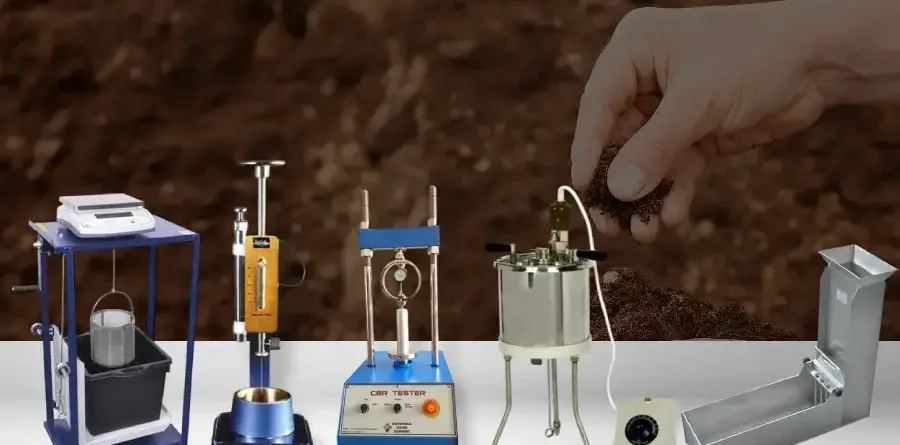
This is where soil testing equipment plays a critical role. Soil testing helps engineers, contractors, geologists, and researchers determine the physical and mechanical properties of soil, enabling them to make informed decisions regarding foundation design, construction methods, and site suitability.
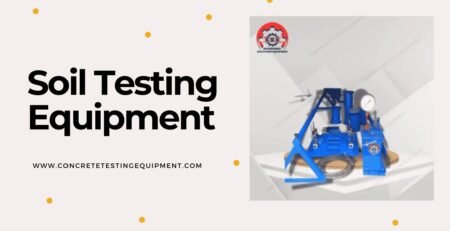
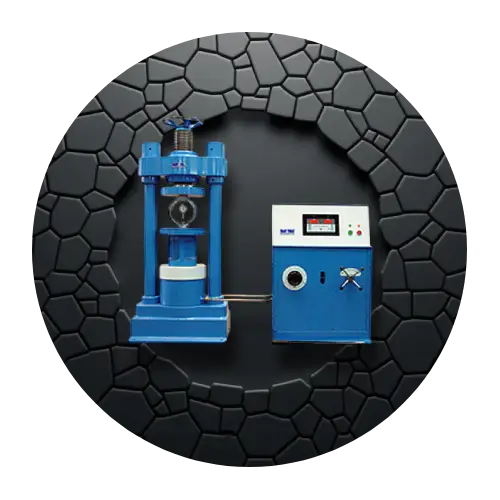
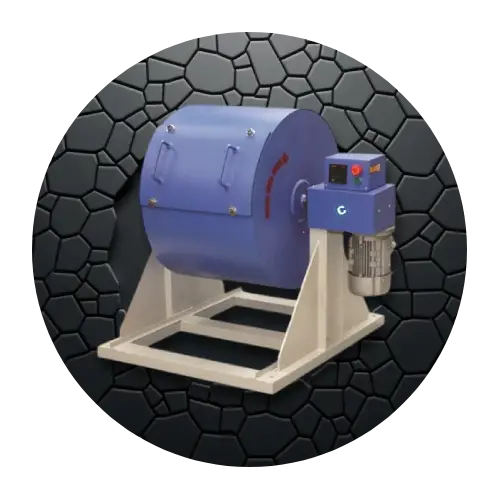
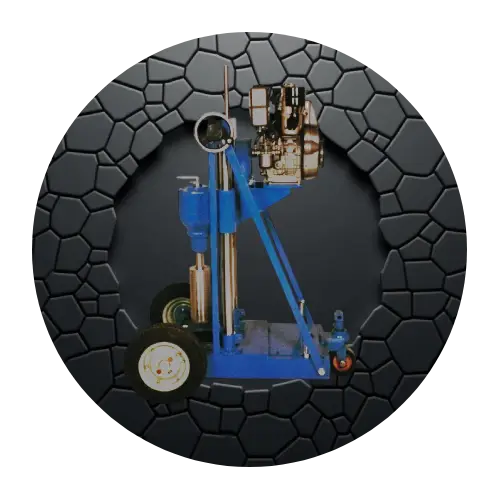
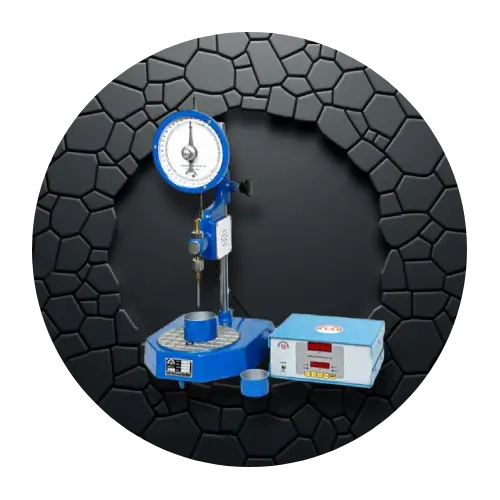
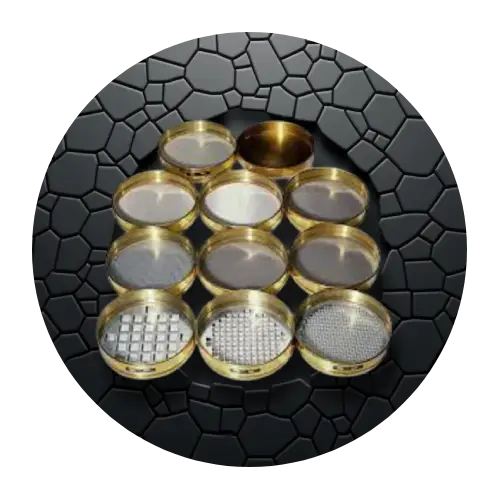
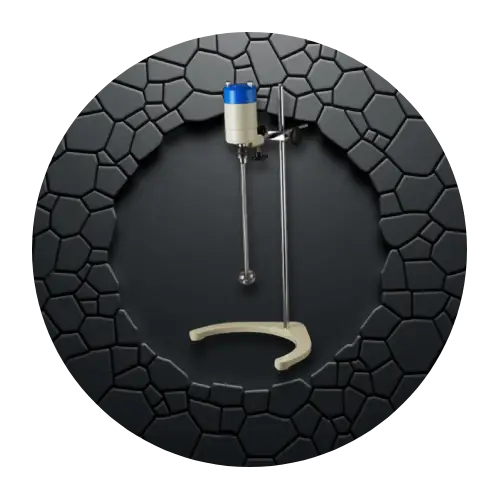
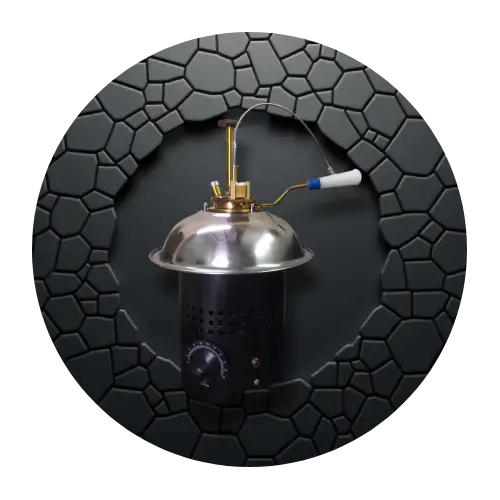
As a leading Soil Testing Equipment Manufacturer, ESE (Engineering Solutions Equipment) provides advanced, accurate, and reliable testing instruments that help professionals conduct precise soil analysis. With years of expertise in laboratory and testing equipment manufacturing, ESE serves construction companies, geotechnical laboratories, educational institutions, research centers, and government organizations across India.
In this blog, we will explore the importance of soil testing, the various types of soil testing equipment, their applications, and why ESE is a trusted name in the testing equipment industry.
What is Soil Testing?
Soil testing is the process of evaluating soil characteristics to determine its suitability for construction and engineering projects.
The testing process helps identify:
- Soil strength
- Bearing capacity
- Moisture content
- Density
- Permeability
- Plasticity
- Compaction characteristics
- Shear strength
These properties directly affect the stability and performance of any structure built on the soil.
Importance of Soil Testing in Construction
Proper soil testing is a crucial step before starting any construction project.
1 Ensures Structural Stability
Testing helps determine whether the soil can safely support the proposed structure.
2 Prevents Foundation Failures
Weak soil conditions can lead to settlement, cracks, and structural damage.
3 Reduces Construction Risks
Accurate soil analysis helps engineers plan effective foundation systems.
4 Improves Project Safety
Understanding soil properties minimizes risks during and after construction.
5 Saves Time and Cost
Identifying soil issues early prevents costly repairs and redesigns.
Because of these benefits, soil testing has become a mandatory requirement in many infrastructure and construction projects.
About ESE
ESE (Eie Scientific Engineering Equipment) is a reputed manufacturer and supplier of civil engineering, geotechnical, and laboratory testing equipment.
The company is known for:
- High-quality manufacturing
- Precision engineering
- Reliable performance
- Advanced technology
- Industry-standard compliance
- Excellent customer support
ESE offers a comprehensive range of soil testing equipment designed to deliver accurate and repeatable results.
Range of Soil Testing Equipment Offered by ESE
Direct Shear Testing Apparatus
This equipment is used to determine the shear strength of soil samples.
Applications
- Foundation design
- Slope stability analysis
- Earth retaining structures
Benefits
- Accurate shear strength measurement
- Reliable performance
- Easy operation
Proctor Compaction Test Apparatus
Used to determine the optimum moisture content and maximum dry density of soil.
Importance
Proper compaction improves:
- Load-bearing capacity
- Stability
- Durability
This test is widely used in road construction and earthwork projects.
California Bearing Ratio (CBR) Testing Equipment
CBR testing measures the strength of subgrade soil and pavement materials.
Applications
- Highway projects
- Airport runways
- Pavement design
Accurate CBR values help engineers design durable road structures.
Liquid Limit and Plastic Limit Apparatus
Used to determine the consistency and plasticity characteristics of soil.
Benefits
- Soil classification
- Engineering analysis
- Foundation design support
Permeability Testing Apparatus
Measures the rate at which water flows through soil.
Applications
- Dam construction
- Drainage design
- Groundwater studies
Understanding permeability is essential for water management projects.
Triaxial Testing Equipment
One of the most advanced soil testing methods used to determine soil behavior under different stress conditions.
Advantages
- High accuracy
- Detailed analysis
- Reliable engineering data
Widely used in geotechnical laboratories and research facilities.
Soil Density Testing Equipment
Used to measure the density and compaction level of soil.
Importance
Ensures proper compaction before construction activities begin.
Features of ESE Soil Testing Equipment
1 High Accuracy
Designed to provide precise and repeatable testing results.
2 Robust Construction
Manufactured using high-quality materials for durability.
3 Easy Operation
User-friendly systems improve laboratory efficiency.
4 Low Maintenance
Designed for long-term performance with minimal upkeep.
Compliance with Standards
Manufactured according to relevant national and international testing standards.
5 Reliable Performance
Consistent results support informed engineering decisions.
Applications of Soil Testing Equipment
Soil testing equipment is widely used across multiple industries and sectors.
1 Construction Industry
Construction companies rely on soil testing to ensure foundation safety.
Common Projects
- Residential buildings
- Commercial complexes
- Industrial facilities
- High-rise structures
2 Infrastructure Development
Large infrastructure projects require extensive soil investigations.
Applications Include
- Roads
- Highways
- Bridges
- Airports
- Metro systems
3 Geotechnical Engineering
Geotechnical engineers use soil testing equipment for site investigations and foundation design.
4 Research Institutions
Universities and research centers use soil testing equipment for academic studies and innovation.
5 Government Organizations
Public infrastructure departments conduct soil testing for quality assurance and project planning.
6 Environmental Studies
Soil analysis is essential for environmental impact assessments and land development projects.
Why Accurate Soil Testing Matters
1 Better Foundation Design
Accurate soil data helps engineers select suitable foundation systems.
2 Improved Safety
Reduces the risk of structural failures.
3 Enhanced Construction Quality
Supports better project planning and execution.
4 Cost Optimization
Prevents overdesigning or underdesigning foundations.
5 Long-Term Performance
Improves the durability and stability of structures.
Reliable testing equipment is critical for achieving these objectives.
Advantages of Choosing ESE Soil Testing Equipment
1 Comprehensive Product Range
Solutions available for multiple soil testing requirements.
2 Precision Engineering
Designed for accurate and dependable performance.
3 Durable Equipment
Built to withstand regular laboratory and field use.
4 Technical Expertise
Strong understanding of geotechnical testing requirements.
5 Customer Support
Reliable assistance for installation, operation, and maintenance.
Competitive Pricing
High-quality equipment offered at cost-effective prices.
Factors to Consider When Selecting Soil Testing Equipment
1 Accuracy
Testing equipment should deliver reliable and repeatable results.
2 Durability
Industrial-grade construction ensures long service life.
3 Standards Compliance
Equipment should meet recognized testing standards.
4 Ease of Use
User-friendly designs improve operational efficiency.
5 Technical Support
Reliable support helps maintain equipment performance.
6 Application Requirements
Select equipment based on project and laboratory needs.
ESE provides solutions that meet all these essential criteria.
Why ESE is a Trusted Soil Testing Equipment Manufacturer
Over the years, ESE has built a strong reputation through its commitment to quality and innovation.
Key Strengths
✔ Advanced manufacturing capabilities
✔ Wide range of soil testing equipment
✔ High-quality standards
✔ Precision engineering
✔ Reliable performance
✔ Industry expertise
✔ Excellent customer support
✔ Competitive pricing
✔ Long-term customer relationships
These strengths make ESE a preferred choice among engineers, laboratories, educational institutions, and construction professionals.
Future of Soil Testing Technology
As construction and infrastructure projects become more complex, the demand for advanced testing solutions continues to grow.
Emerging Trends
1 Automation
Improved efficiency and reduced human error.
2 Digital Testing Systems
Enhanced data collection and reporting.
3 Smart Laboratories
Integrated testing and analysis systems.
4 Advanced Geotechnical Solutions
More accurate evaluation of soil behavior.
ESE continues to innovate and provide modern testing equipment that supports the evolving needs of the industry.
Contact Us Now
Looking for a reliable Soil Testing Equipment Manufacturer for your laboratory, construction company, educational institution, or geotechnical project?
ESE offers advanced soil testing equipment designed to deliver accurate, efficient, and dependable results.
Get in Touch Today
📞 Call Us: +91 88265 49585
Contact our experts today for product specifications, pricing details, technical guidance, and customized testing solutions.
Conclusion
Soil testing is a fundamental part of every successful construction and infrastructure project. Accurate soil analysis helps engineers make informed decisions regarding foundation design, site suitability, and construction methods while ensuring safety and long-term structural performance.
As a leading Soil Testing Equipment Manufacturer, ESE provides precision-engineered equipment that supports reliable testing across a wide range of applications. With advanced technology, durable construction, and a commitment to quality, ESE continues to help professionals achieve accurate and dependable soil testing results.
For laboratories, research institutions, construction companies, and geotechnical engineers seeking trusted testing solutions, ESE remains a preferred partner for soil testing equipment.