



Quality control is the backbone of every successful construction project. From residential buildings and commercial complexes to highways, bridges, and dams, the strength and durability of a structure largely depend on the quality of concrete used. Concrete may appear simple—a mixture of cement, sand, aggregates, and water—but achieving consistent strength and performance requires careful testing and monitoring.
This is where Concrete Test Equipment plays a critical role.
Concrete testing equipment ensures that the concrete used in construction meets design specifications, safety standards, and durability requirements. Without proper testing, even minor inconsistencies in mix proportions or curing conditions can lead to structural weaknesses, costly repairs, and safety hazards.
In this comprehensive guide, we will explore why concrete test equipment is essential for quality control in construction and how it contributes to long-term structural integrity.
Understanding Quality Control in Construction
Quality control in construction involves systematic processes to ensure that materials and workmanship meet predefined standards. In concrete construction, quality control focuses on:
- Strength
- Workability
- Durability
- Consistency
- Compliance with industry standards
Concrete testing equipment helps engineers and contractors verify these parameters at every stage—from fresh concrete to hardened structures.
The Importance of Concrete Testing
Concrete testing is not just a regulatory requirement; it is a practical necessity. The performance of a building depends heavily on whether the concrete achieves the required compressive strength and durability.
Poor-quality concrete can lead to:
- Cracks and structural failure
- Reduced load-bearing capacity
- Water leakage and corrosion
- Shortened lifespan of the structure
- Legal and financial liabilities
Using proper testing equipment minimizes these risks and ensures reliable results.Types of Concrete Test Equipment Used for Quality Control
Concrete test equipment is broadly categorized into tools for testing fresh concrete and hardened concrete.
Fresh Concrete Testing Equipment
Fresh concrete testing is performed immediately after mixing and before placement.
Common equipment includes:
- Slump Test Apparatus
- Compaction Factor Apparatus
- Vee-Bee Consistometer
- Air Content Meter
- Flow Table
These tests determine workability, consistency, and air content, which directly affect strength and durability.
Hardened Concrete Testing Equipment
After curing, concrete must be tested for strength and performance.
Common equipment includes:
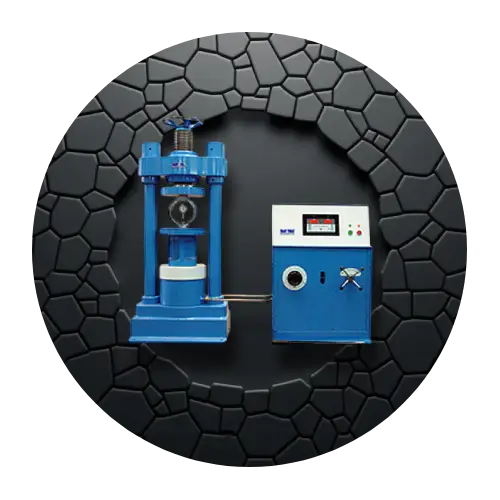
- Compression Testing Machine (CTM)
- Flexural Testing Machine
- Rebound Hammer
- Ultrasonic Pulse Velocity (UPV) Tester
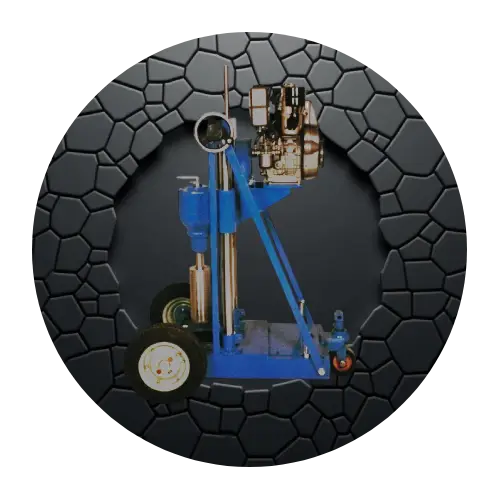
- Core Cutting Machine
These tools assess compressive strength, flexural strength, internal defects, and overall quality.
Ensuring Structural Safety
One of the most important reasons concrete test equipment is essential is structural safety.
For example, a Compression Testing Machine (CTM) measures the compressive strength of concrete cubes or cylinders. If the test results do not meet the required strength grade, corrective measures can be taken immediately.
Without testing, weak concrete might go unnoticed until cracks or failures appear, which can compromise the safety of occupants and workers.
Compliance with Industry Standards
Construction projects must comply with national and international standards such as:
- IS (Indian Standards)
- ASTM (American Society for Testing and Materials)
- BS (British Standards)
Concrete test equipment ensures that the concrete meets these regulatory benchmarks. Regular testing provides documented proof of compliance, which is essential for inspections and approvals.
Preventing Costly Failures and Rework
Construction errors are expensive. If concrete does not achieve the required strength and is discovered late, it may require demolition and reconstruction.
Testing helps detect issues early, such as:
- Incorrect water-cement ratio
- Improper mixing
- Poor curing
- Substandard materials
By identifying these issues early, contractors can avoid costly rework and project delays.
Enhancing Durability and Longevity
Concrete structures are exposed to various environmental conditions:
- Moisture
- Temperature variations
- Chemical exposure
- Heavy loads
Testing equipment such as permeability test apparatus and UPV testers help determine how well the concrete will resist these conditions.
Durable concrete reduces maintenance costs and increases the lifespan of structures like bridges, dams, and industrial facilities.
Supporting Mix Design Optimization
Concrete mix design determines the right proportions of cement, aggregates, and water to achieve desired strength and workability.
Testing equipment allows engineers to:
- Compare trial mixes
- Adjust water-cement ratios
- Improve aggregate grading
- Achieve consistent results
This ensures optimal performance while controlling material costs.
Improving Workability and Placement
Workability affects how easily concrete can be mixed, transported, and placed.
The Slump Test is one of the most common methods used to assess workability. If the slump value is too high or too low, adjustments can be made before placement.
Proper workability prevents:
- Honeycombing
- Segregation
- Voids
- Surface defects
Thus, testing improves overall construction quality.
Quality Assurance in Large-Scale Projects
Large infrastructure projects such as:
- High-rise buildings
- Highways
- Bridges
- Dams
- Airports
require rigorous quality control.
Concrete test equipment provides real-time data to project managers and engineers, enabling them to maintain consistency across batches and locations.
In such projects, even minor deviations can lead to major consequences. Testing ensures uniformity and reliability.
Detecting Internal Defects
Non-destructive testing (NDT) equipment like the Rebound Hammer and Ultrasonic Pulse Velocity (UPV) Tester help detect internal cracks, voids, and weaknesses without damaging the structure.
This is especially useful for:
- Evaluating old structures
- Repair assessments
- Retrofitting projects
NDT tools enhance safety and reduce unnecessary demolition.
Building Client Confidence
Quality assurance builds trust.
When contractors use certified concrete test equipment and provide documented results, clients gain confidence in the project’s integrity.
Test reports serve as proof of quality, which is particularly important in commercial and government projects.
Supporting Sustainable Construction
Sustainability is becoming increasingly important in modern construction.
Concrete testing contributes to sustainability by:
- Reducing material waste
- Preventing reconstruction
- Optimizing mix design
- Extending structure lifespan
Efficient quality control aligns with green building practices and reduces environmental impact.
Importance of Calibration and Maintenance
Concrete test equipment must be regularly calibrated and maintained to ensure accurate results.
Uncalibrated equipment can produce incorrect readings, leading to wrong decisions.
Regular maintenance ensures:
- Accurate measurements
- Longer equipment life
- Compliance with quality standards
Role of Authorized Equipment Suppliers
Choosing reliable and authorized suppliers for concrete test equipment is equally important.
Trusted suppliers provide:
- Certified equipment
- Warranty and service support
- Calibration services
- Technical guidance
This ensures accurate testing and long-term reliability.
Common Mistakes Avoided by Proper Testing
Without proper testing, construction projects may suffer from:
- Overdesign (excessive cement usage)
- Understrength concrete
- Premature cracking
- Structural settlement
- Regulatory non-compliance
Concrete test equipment helps avoid these costly mistakes.
Future of Concrete Testing in Construction
Technology is transforming concrete testing.
Modern advancements include:
- Digital compression testing machines
- Wireless data logging systems
- Automated curing tanks
- Portable NDT devices
These innovations improve efficiency, accuracy, and data management.
As construction becomes more advanced, the importance of concrete test equipment will continue to grow.
Conclusion
Founded in 2017, Engineering Solutions Equipment is a top manufacturer in India and a trusted supplier of cement testing equipment Concrete is the foundation of modern construction, and its quality directly determines the safety, durability, and performance of structures.
Concrete test equipment is not optional—it is essential for:
- Ensuring structural safety
- Maintaining compliance
- Reducing costs
- Improving durability
- Enhancing client trust
- Supporting sustainability
From fresh concrete testing to hardened strength evaluation, these tools provide critical insights that prevent failures and guarantee long-term success.
In today’s competitive and safety-conscious construction industry, investing in reliable concrete test equipment is an investment in quality, safety, and reputation.










Leave a Reply