

Introduction
Every successful construction project begins with a strong foundation, and the strength of any foundation depends largely on the quality of the soil beneath it. Whether constructing residential buildings, commercial complexes, highways, bridges, dams, industrial plants, or large infrastructure projects, understanding the characteristics of the soil is one of the first and most critical steps. Building directly on untested ground can lead to foundation failures, structural damage, uneven settlement, and expensive repairs in the future.
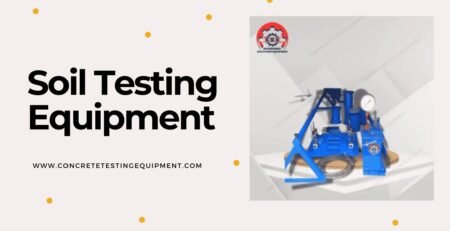
This is where Soil Testing Equipment plays an indispensable role. These specialized instruments help engineers, contractors, architects, and geotechnical consultants analyze soil properties before construction begins. By accurately determining the engineering characteristics of the soil, these testing equipments provide valuable information that supports safe structural design and minimizes construction risks.
Modern construction projects demand precise data rather than assumptions. Soil conditions can vary significantly even within the same project site, making professional testing essential for selecting suitable foundation types and construction techniques. Using reliable Soil Testing Equipments allows engineers to make informed decisions that improve project safety, optimize costs, and enhance the long-term durability of structures.
Engineering Solutions Equipment is a trusted manufacturer and supplier of premium-quality Soil Testing Equipments, delivering reliable laboratory and field testing solutions for construction companies, research institutions, engineering colleges, geotechnical laboratories, and infrastructure projects across India.
What Are Soil Testing Equipments?
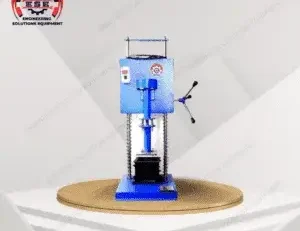
Soil Testing Equipments are specialized laboratory and field instruments designed to determine the physical, mechanical, and engineering properties of soil. These instruments help evaluate how soil behaves under different environmental and loading conditions, providing essential data for designing safe and durable structures.
Depending on the project requirements, various tests are performed to measure properties such as moisture content, density, bearing capacity, permeability, compaction, shear strength, plasticity, and consolidation. The results help engineers understand whether the existing soil can safely support the proposed structure or whether ground improvement techniques are required.
From small residential buildings to massive infrastructure developments, soil testing equipment has become a standard requirement for responsible construction practices.
Why Soil Testing Is Necessary Before Construction
Every construction site has unique soil characteristics, and these characteristics directly influence the stability of the entire structure.
Without proper soil investigation, engineers may unknowingly design foundations that are either inadequate or unnecessarily expensive. Poor soil conditions can result in excessive settlement, foundation movement, wall cracks, water seepage, and even structural failure over time.
Using Soil Testing Equipments before construction allows engineers to accurately assess ground conditions and develop foundation designs that match the site’s actual soil behavior.
Proper soil testing also helps identify underground challenges such as loose soil layers, expansive clay, groundwater levels, or weak strata that may require additional engineering solutions before construction begins.
Understanding Soil Bearing Capacity
One of the primary objectives of soil testing is determining the soil’s bearing capacity.
Bearing capacity refers to the maximum load that soil can safely support without experiencing excessive settlement or failure. Every building transfers its weight to the ground through its foundation, making this property extremely important.
Reliable Soil Testing Equipments help engineers determine whether shallow foundations, raft foundations, pile foundations, or other structural systems are appropriate for the project.
Accurate bearing capacity calculations improve both structural safety and construction efficiency while reducing unnecessary foundation costs.
Helps Select the Right Foundation Design
Different soil types require different foundation solutions.
A building constructed on dense sandy soil may require an entirely different foundation than one built on soft clay or loose fill material. Without accurate soil testing, selecting the correct foundation becomes largely based on assumptions.
Using professional soil testing equipment provides engineers with reliable information about soil strength, compressibility, moisture conditions, and load-bearing characteristics.
This data enables structural designers to optimize foundation dimensions while ensuring long-term safety and durability.
Reduces Construction Risks
Construction projects involve substantial investments, making risk reduction an important priority.
Comprehensive soil testing helps identify potential geotechnical issues before construction starts, allowing corrective measures to be implemented at the planning stage rather than after structural problems occur.
Early identification of unsuitable soil conditions can prevent:
- Uneven settlement
- Foundation cracks
- Structural instability
- Water-related foundation issues
- Costly design modifications
- Construction delays
By addressing these issues during the initial planning phase, project owners can significantly reduce future maintenance expenses.
Improves Structural Safety
Safety remains the highest priority in every construction project.
Reliable soil testing equipment provides accurate information that supports safe structural design according to engineering standards. Engineers can evaluate how soil will respond to different loading conditions and environmental changes throughout the building’s lifespan.
This information becomes particularly important for multi-story buildings, industrial facilities, bridges, retaining walls, and infrastructure projects where foundation performance directly affects public safety.
Professional soil testing contributes to stronger, safer, and longer-lasting structures.
Supports Cost-Effective Construction
Many people assume that soil testing increases project costs, but the opposite is often true.
Accurate soil investigation helps eliminate unnecessary overdesign while preventing expensive construction failures later. Engineers can design foundations that are both safe and economical based on actual soil conditions rather than conservative assumptions.
Proper testing often leads to:
- Optimized foundation sizes
- Reduced material consumption
- Lower construction costs
- Fewer project delays
- Reduced maintenance expenses
- Better long-term investment returns
The relatively small cost of soil testing frequently results in substantial savings throughout the project lifecycle.
Common Tests Performed Using Soil Testing Equipments
Modern geotechnical laboratories perform numerous tests depending on project requirements.
Some commonly conducted soil tests include:
- Moisture Content Test
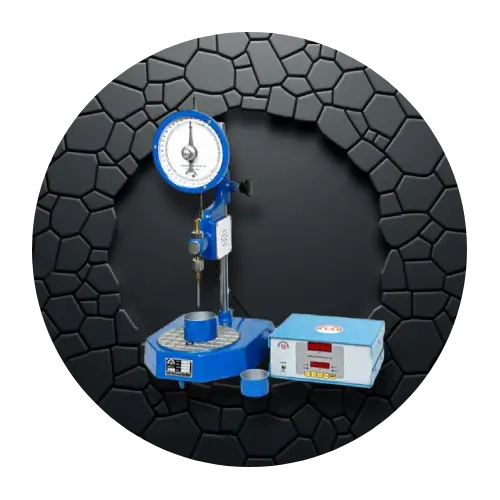
- Atterberg Limits Test
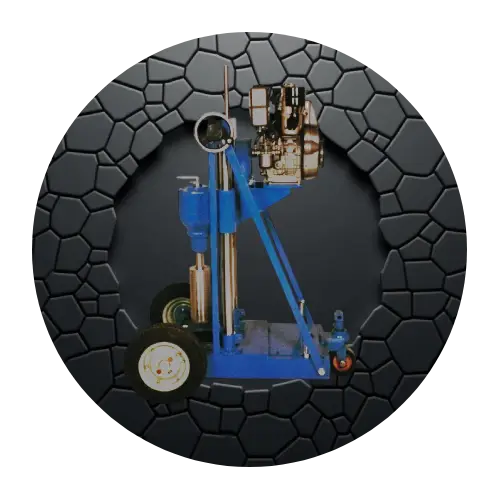
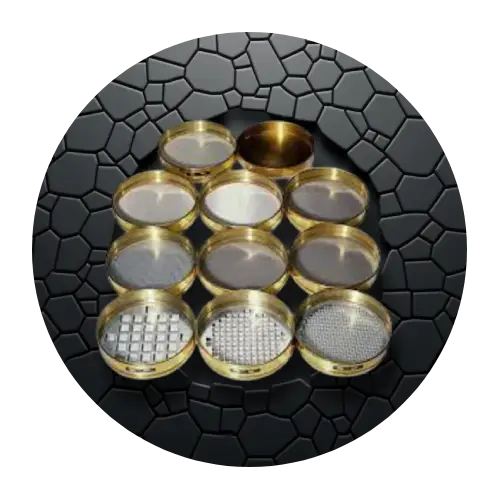
- Sieve Analysis
- Compaction Test
- California Bearing Ratio (CBR) Test
- Direct Shear Test
- Unconfined Compression Test
- Permeability Test
- Consolidation Test
- Triaxial Shear Test
- Specific Gravity Test
- Field Density Test
Each test provides valuable information that helps engineers evaluate soil performance under real construction conditions.
Applications of Soil Testing Equipments
The use of Soil Testing Equipments extends across numerous engineering sectors.
These equipments are widely used in:
- Residential construction
- Commercial buildings
- Industrial plants
- Highway projects
- Railway construction
- Airports
- Bridge construction
- Dam projects
- Mining projects
- Geotechnical laboratories
- Engineering colleges
- Government research organizations
Their versatility makes them indispensable for both educational institutions and large-scale infrastructure developments.
Choosing High-Quality Soil Testing Equipments
The accuracy of geotechnical investigations depends largely on the quality of the testing equipment being used.
High-quality Soil Testing Equipments provide reliable, repeatable, and accurate test results while complying with national and international testing standards. Durable construction, precision engineering, ease of operation, and proper calibration are all important factors when selecting testing instruments.
Organizations should also evaluate the manufacturer’s technical expertise, after-sales support, spare part availability, and product certifications before making purchasing decisions.
Investing in quality equipment improves testing accuracy while minimizing operational issues over the long term.
Why Choose Engineering Solutions Equipment?
Engineering Solutions Equipment is a trusted manufacturer and supplier of premium-quality Soil Testing Equipments designed for laboratories, educational institutions, infrastructure companies, and geotechnical consultants.
The company offers a comprehensive range of advanced testing solutions manufactured using high-quality materials and precision engineering techniques. Every product is designed to deliver reliable performance, accurate measurements, and long service life while complying with recognized industry standards.
Engineering Solutions Equipment emphasizes quality manufacturing, customer satisfaction, technical support, and timely delivery. With years of industry experience, the company has built a strong reputation for supplying dependable soil testing equipment that meets the evolving needs of modern construction and engineering projects.
Whether customers require complete geotechnical laboratory setups or individual testing instruments, Engineering Solutions Equipment provides customized solutions backed by professional expertise and dependable after-sales service.
Conclusion
Soil testing is not simply another construction activity—it is the foundation of every safe and successful building project. By understanding soil characteristics before construction begins, engineers can design appropriate foundations, improve structural safety, optimize costs, and minimize long-term risks.
Modern soil testing equipment provides accurate and reliable information that supports informed engineering decisions throughout every stage of construction. From residential buildings to major infrastructure developments, these instruments have become essential tools for ensuring quality, safety, and durability.
Choosing high-quality equipment from a trusted manufacturer further enhances testing accuracy and project reliability.
Engineering Solutions Equipment continues to support construction professionals, laboratories, educational institutions, and infrastructure developers with advanced Soil Testing Equipment that delivers precision, reliability, and long-term performance for every geotechnical testing requirement.
Frequently Asked Questions
1. Why are Soil Testing Equipments important before construction?
They help determine soil strength, bearing capacity, moisture content, and other engineering properties required for safe foundation design.
2. Which industries use Soil Testing Equipments?
They are widely used in construction companies, infrastructure projects, geotechnical laboratories, engineering colleges, research institutions, mining projects, and government organizations.
3. What tests are commonly performed using Soil Testing Equipments?
Common tests include compaction tests, CBR tests, permeability tests, direct shear tests, sieve analysis, moisture content tests, consolidation tests, and bearing capacity evaluations.
4. Can soil testing reduce construction costs?
Yes. Accurate soil testing helps optimize foundation design, reduces unnecessary material usage, prevents structural failures, and minimizes future repair costs.
5. Why choose Engineering Solutions Equipment?
Engineering Solutions Equipment is a trusted manufacturer and supplier of premium-quality soil testing equipment, offering precision-engineered products, dependable technical support, consistent quality, and reliable solutions for laboratories and construction professionals.