

Introduction
Every civil engineering project begins long before concrete is poured or steel structures are erected. One of the most critical stages in the planning process is understanding the condition of the soil on which the structure will be built. Whether the project involves a residential building, commercial complex, highway, bridge, airport, industrial plant, dam, or railway infrastructure, the quality and behavior of the underlying soil directly influence the strength, stability, and lifespan of the structure.
Soil is far from being a uniform material. Its composition, moisture content, density, strength, and load-bearing capacity can vary significantly even within a small construction site. Designing a foundation without properly understanding these characteristics can lead to serious structural problems such as uneven settlement, foundation failure, wall cracks, water infiltration, and expensive repairs. In severe cases, inadequate soil investigation may even compromise the safety of the entire structure.
This is why accurate soil testing has become an indispensable part of modern civil engineering. Using advanced soil testing equipment, engineers can evaluate the engineering properties of soil with precision before construction begins. These test results provide valuable data that supports safe structural design, optimizes foundation selection, minimizes construction risks, and ensures compliance with engineering standards.
Engineering Solutions Equipment manufactures and supplies premium-quality Soil Testing Equipments designed for civil engineering laboratories, infrastructure companies, research institutions, engineering colleges, and geotechnical consultants, helping professionals perform accurate and reliable soil investigations.
Why Soil Testing Is the First Step in Civil Engineering
Every structure transfers its load to the ground through its foundation. The foundation can only perform effectively if the supporting soil possesses adequate strength and stability.
Before any design work begins, engineers must understand whether the existing soil can safely support the proposed structure. Soil testing provides this essential information by evaluating physical and mechanical properties that influence structural performance.
Rather than relying on assumptions or visual inspection, engineers use Soil Testing Equipments to obtain scientifically measured data. This information allows designers to select appropriate foundation systems while reducing the possibility of future structural issues.
Proper soil investigation forms the basis for safe, economical, and durable construction projects.
Understanding Soil Properties
Different types of soil behave differently under load.
Some soils provide excellent support for heavy structures, while others may compress, expand, or shift when subjected to changing moisture levels or structural loads. Understanding these characteristics is essential before construction begins.
Accurate soil testing helps determine important engineering properties such as:
- Bearing capacity
- Moisture content
- Density
- Compaction characteristics
- Shear strength
- Permeability
- Plasticity
- Consolidation behavior
The data collected through these tests enables engineers to make informed design decisions based on actual ground conditions rather than estimates.
Helps Design Safe Foundations
Foundation design is one of the most important aspects of any civil engineering project.
An improperly designed foundation can result in structural settlement, cracking, instability, and expensive repairs. Accurate soil testing enables engineers to determine the most suitable foundation type based on actual soil conditions.
Depending on the test results, engineers may recommend shallow foundations, raft foundations, pile foundations, or specialized ground improvement techniques. This ensures that the structure remains stable throughout its intended service life.
Reliable Soil Testing Equipments provide the precision needed for confident foundation design and long-term structural safety.
Improves Construction Safety
Safety is the primary objective of every engineering project.
When soil conditions are properly evaluated before construction begins, potential geotechnical risks can be identified early. Weak soil layers, expansive clay, loose sand deposits, groundwater issues, and unstable subsoil conditions become visible through systematic testing.
By identifying these conditions during the planning phase, engineers can implement suitable corrective measures before construction starts.
This proactive approach significantly improves worker safety, structural reliability, and overall project success.
Prevents Structural Failures
Many structural failures originate below ground level rather than above it.
Foundation settlement, tilting structures, cracked walls, uneven floors, retaining wall movement, and pavement failures are often linked to inadequate understanding of soil behavior.
Accurate testing using modern Soil Testing Equipments helps engineers anticipate these challenges and design appropriate engineering solutions before construction begins.
Investing in proper soil investigation reduces the likelihood of costly repairs, litigation, and structural rehabilitation in the future.
Optimizes Construction Costs
Some project owners mistakenly view soil testing as an unnecessary expense. In reality, accurate soil investigation often reduces total construction costs.
Without reliable soil data, engineers may overdesign foundations to compensate for uncertainty, increasing material consumption and construction expenses. Conversely, underestimating soil conditions can result in foundation failures and expensive corrective work.
Accurate soil testing allows engineers to optimize foundation dimensions according to actual site conditions, balancing safety with cost efficiency.
This approach improves resource utilization while minimizing unnecessary construction expenditures.
Supports Infrastructure Development
Large infrastructure projects demand even greater attention to geotechnical investigation.
Roads, highways, bridges, tunnels, dams, airports, metro systems, and railway networks all depend heavily on accurate soil analysis. These projects often involve varying soil conditions over long distances, making systematic testing essential.
Reliable Soil Testing Equipments provide engineers with the information required to evaluate site suitability, design stable earthworks, and ensure long-term infrastructure performance.
As infrastructure development continues to grow, advanced soil testing has become increasingly important for successful project execution.
Importance for Quality Control Laboratories
Construction quality control laboratories rely heavily on accurate soil testing throughout project execution.
Laboratory testing verifies whether site preparation, embankment construction, compaction work, and foundation materials meet specified engineering standards.
Routine testing during construction helps maintain consistency while ensuring that project specifications are fully achieved.
Professional laboratories equipped with high-quality testing instruments contribute significantly to overall construction quality and regulatory compliance.
Role in Educational and Research Institutions
Engineering colleges and research institutions use Soil Testing Equipments to educate future civil engineers and conduct advanced geotechnical research.
Practical laboratory experience allows students to understand theoretical concepts through real testing procedures. Research organizations use advanced equipment to study soil behavior under different environmental and loading conditions, contributing to improvements in construction technology.
Modern laboratory equipment supports both academic learning and engineering innovation.
Essential Soil Testing Equipments Used in Civil Engineering
Civil engineering laboratories typically utilize a wide range of specialized instruments for geotechnical investigations.
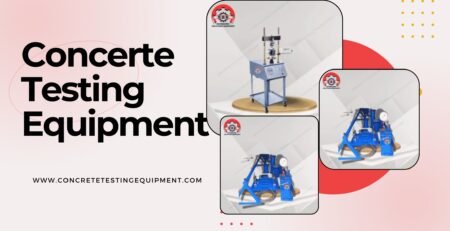
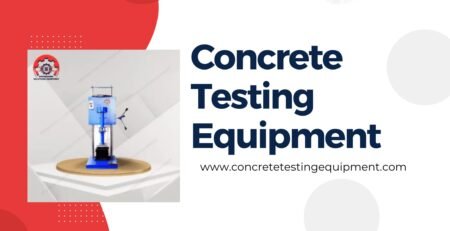
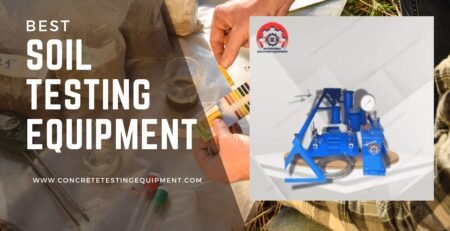
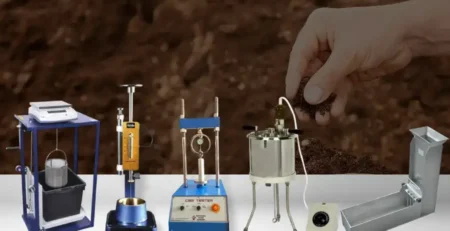
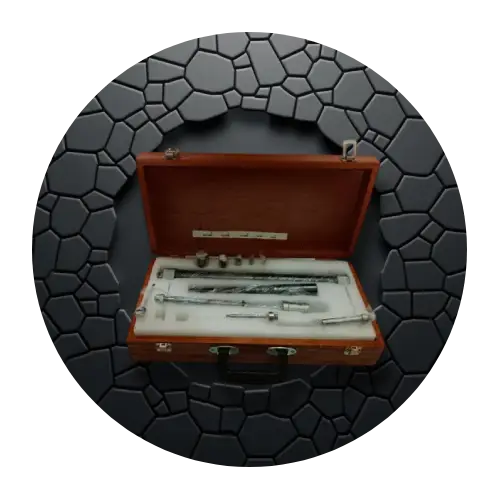
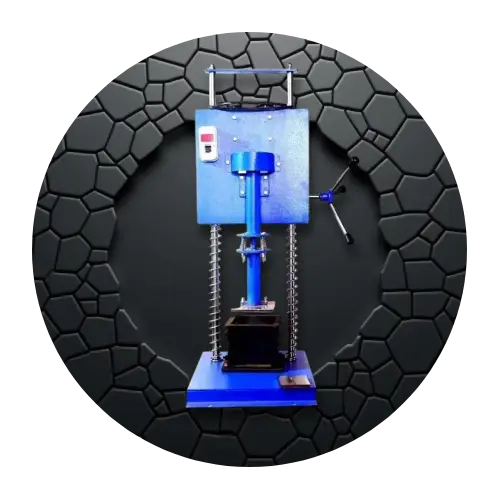
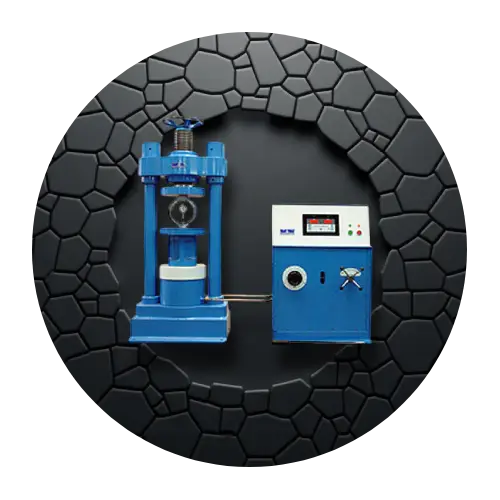
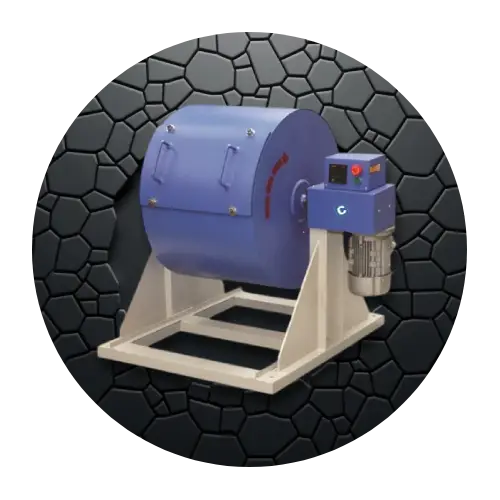
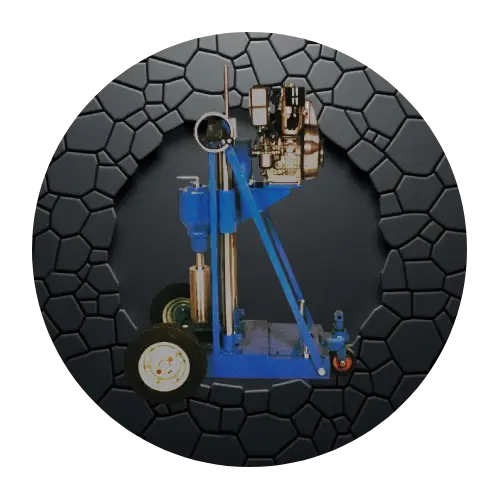
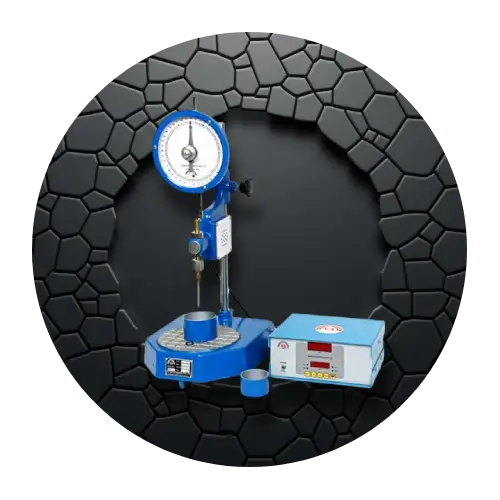
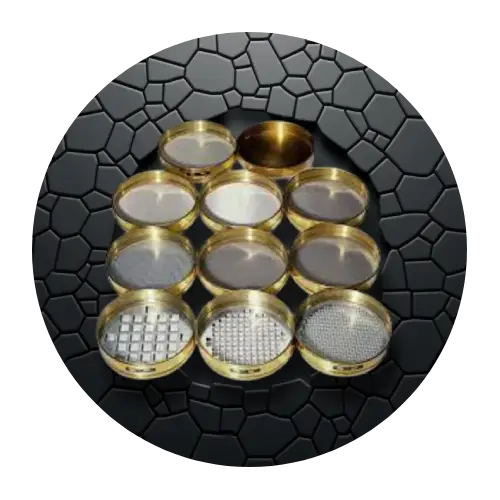
Some commonly used Soil Testing Equipments include:
- Liquid Limit Apparatus
- Plastic Limit Equipment
- Mechanical Sieve Shaker
- Proctor Compaction Equipment
- California Bearing Ratio (CBR) Testing Machine
- Direct Shear Apparatus
- Consolidation Apparatus
- Triaxial Testing Equipment
- Permeability Test Apparatus
- Specific Gravity Equipment
- Moisture Content Oven
- Laboratory Balances
- Soil Core Cutters
- Field Density Equipment
Each instrument provides valuable information that contributes to accurate soil evaluation and safe engineering design.
Why High-Quality Soil Testing Equipments Matter
The reliability of laboratory results depends directly on the quality of the testing equipment.
Precision-engineered instruments deliver accurate, repeatable, and consistent measurements while complying with recognized testing standards. Poor-quality equipment may produce unreliable results that affect engineering decisions and compromise project quality.
High-quality Soil Testing Equipments also offer better durability, reduced maintenance requirements, easier calibration, and longer service life.
Selecting equipment from an experienced manufacturer helps laboratories maintain professional standards while improving operational efficiency.
Why Choose Engineering Solutions Equipment?
Engineering Solutions Equipment is a trusted manufacturer and supplier of premium-quality Soil Testing Equipments designed to meet the requirements of modern civil engineering laboratories and infrastructure projects.
The company offers an extensive range of laboratory and field testing instruments manufactured using precision engineering and high-quality materials. Every product is developed to deliver accurate measurements, dependable performance, and compliance with recognized industry standards.
Engineering Solutions Equipment supports engineering colleges, construction companies, research institutions, quality control laboratories, government organizations, and geotechnical consultants by providing complete laboratory solutions backed by technical expertise and reliable after-sales service.
With a strong commitment to quality, innovation, and customer satisfaction, Engineering Solutions Equipment has established itself as a trusted partner for professional soil testing applications across India.
Conclusion
Accurate soil testing is one of the most important investments in any civil engineering project. It provides the scientific foundation upon which safe, durable, and economical structures are designed. By understanding soil characteristics before construction begins, engineers can optimize foundation design, reduce risks, improve construction quality, and prevent costly structural failures.
Modern Soil Testing Equipments play a vital role in obtaining reliable geotechnical data that supports informed engineering decisions. Whether for residential construction, infrastructure development, industrial facilities, educational institutions, or research laboratories, accurate soil testing contributes directly to project success.
Choosing high-quality equipment from a trusted manufacturer further enhances testing reliability and long-term laboratory performance.
Engineering Solutions Equipment continues to provide advanced Soil Testing Equipments that help engineers, laboratories, and construction professionals achieve precision, safety, and excellence in every civil engineering project.
Frequently Asked Questions
1. Why is soil testing important in civil engineering?
Soil testing helps engineers understand soil properties before construction, enabling safe foundation design and reducing the risk of structural failures.
2. What information does soil testing provide?
It provides data on bearing capacity, moisture content, density, shear strength, permeability, compaction, plasticity, and other engineering properties.
3. Which projects require soil testing?
Residential buildings, commercial projects, highways, bridges, dams, airports, railways, industrial plants, and other infrastructure developments all require soil testing.
4. What equipment is commonly used for soil testing?
Common equipment includes CBR testing machines, compaction apparatus, direct shear apparatus, triaxial equipment, permeability apparatus, sieve shakers, and consolidation equipment.
5. Why choose Engineering Solutions Equipment?
Engineering Solutions Equipment is a trusted manufacturer of Soil Testing Equipments, offering precision-engineered products, reliable laboratory solutions, expert technical support, and consistent quality for civil engineering and geotechnical applications.