

Introduction
In the construction, civil engineering, infrastructure, and quality control industries, ensuring the strength and durability of materials is essential for the safety and longevity of structures. Whether it is concrete, cement, bricks, blocks, pavers, or other construction materials, testing their compressive strength is a critical part of quality assurance.
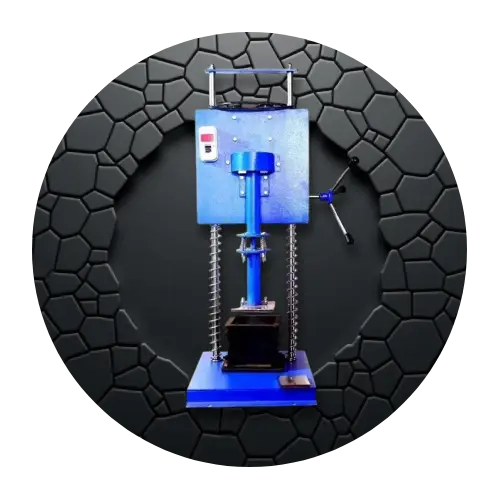
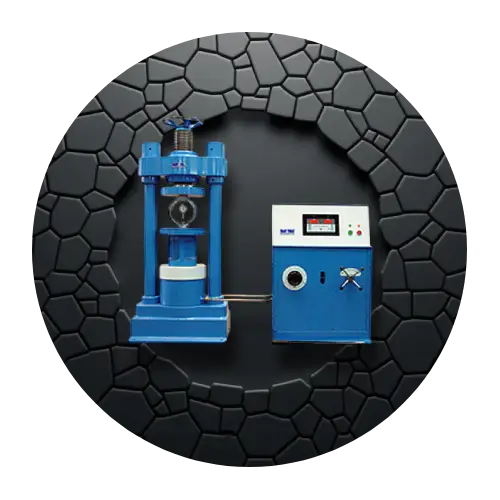
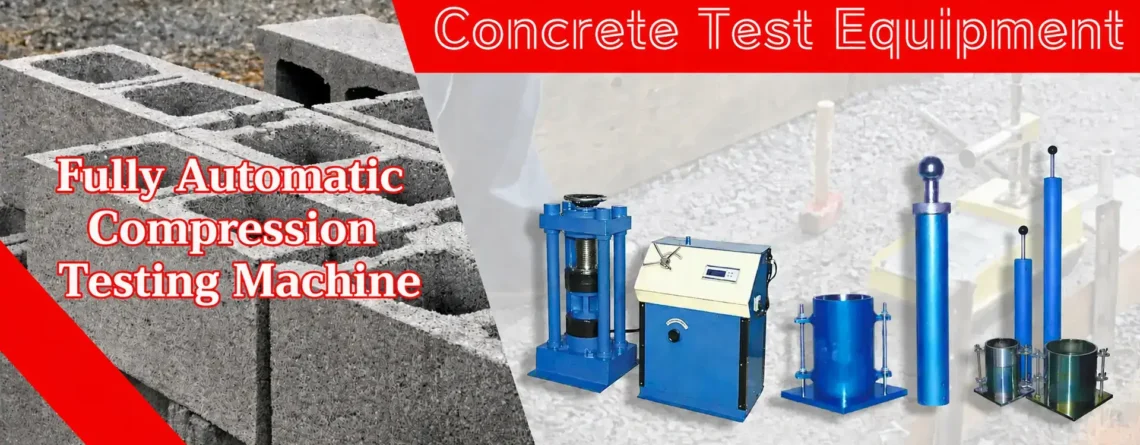
A Compression Testing Machine (CTM) is one of the most important testing equipment used in laboratories, research centers, construction sites, and quality control departments. It helps determine the maximum compressive load a material can withstand before failure, ensuring compliance with industry standards and project specifications.
When it comes to reliable and high-precision testing equipment, ESE ( Engineering Solutions Equipment) is a trusted name in the testing and laboratory equipment industry. ESE manufactures advanced Compression Testing Machines designed to deliver accurate, repeatable, and dependable results for various material testing applications.
In this blog, we will explore the importance of Compression Testing Machines, their working principles, applications, benefits, and why ESE is a preferred choice for material testing solutions.
What is a Compression Testing Machine?
A Compression Testing Machine is a specialized testing device used to determine the compressive strength of materials by applying a controlled load until the specimen fails or reaches its maximum load-bearing capacity.
The machine measures the amount of force required to crush, deform, or break a test specimen.
Compression testing is widely used for:
- Concrete cubes
- Concrete cylinders
- Cement samples
- Bricks
- Paver blocks
- Hollow blocks
- Building materials
- Industrial products
The results help engineers and quality control professionals assess whether materials meet required standards.
Why Compression Testing is Important
Construction materials must be strong enough to withstand loads and environmental conditions throughout their service life.
Compression testing helps in:
1 Quality Assurance
Ensures materials meet design and safety requirements.
2 Structural Safety
Verifies that materials can withstand expected loads.
3 Regulatory Compliance
Supports compliance with national and international standards.
4 Material Performance Evaluation
Helps compare different material formulations.
5 Project Reliability
Reduces the risk of structural failures.
Without proper testing, construction projects may face safety risks and quality issues.
About ESE
ESE (Engineering Solutions Equipment) is a reputed manufacturer and supplier of testing and laboratory equipment serving industries, educational institutions, research laboratories, and construction companies.
The company is known for:
- Precision-engineered equipment
- High-quality manufacturing standards
- Advanced technology integration
- Customer-focused solutions
- Reliable technical support
ESE’s Compression Testing Machines are designed to deliver consistent and accurate testing results across various applications.
How Does a Compression Testing Machine Work?
The working principle of a Compression Testing Machine is straightforward yet highly effective.
Step 1: Sample Preparation
The test specimen is prepared according to testing standards.
Step 2: Positioning
The specimen is placed between the compression platens.
Step 3: Load Application
The machine gradually applies compressive force.
Step 4: Monitoring
The load increases continuously while measurements are recorded.
Step 5: Failure Point
The maximum load at which the specimen fails is recorded.
Step 6: Result Calculation
Compressive strength is calculated based on the load and specimen dimensions.
These results help determine material suitability for specific applications.
Features of ESE Compression Testing Machines
1 High Accuracy
ESE machines provide precise load measurements for reliable testing results.
2 Robust Construction
Manufactured using high-quality materials for long-term durability.
3 User-Friendly Operation
Easy controls allow efficient testing procedures.
4 Digital Display System
Advanced display units provide clear and accurate readings.
5 Heavy-Duty Load Frame
Designed to withstand repeated testing cycles.
6 Consistent Performance
Reliable results across multiple testing applications.
7 Low Maintenance Requirements
Engineered for long service life and minimal maintenance.
Types of Compression Testing Machines Offered by ESE
Manual Compression Testing Machines
Manual models are ideal for smaller laboratories and educational institutions.
Benefits
- Cost-effective
- Easy operation
- Reliable testing
Digital Compression Testing Machines
Digital machines provide enhanced accuracy and user convenience.
Features
- Digital load indication
- Improved precision
- Faster data recording
Automatic Compression Testing Machines
Fully automated systems offer advanced testing capabilities.
Advantages
- Reduced operator intervention
- High accuracy
- Efficient testing procedures
These machines are ideal for large laboratories and quality control facilities.
Applications of Compression Testing Machines
Compression Testing Machines are widely used across various industries.
Construction Industry
The construction sector relies heavily on compression testing.
Common Applications
- Concrete cube testing
- Cement strength evaluation
- Building material verification
These tests ensure structural safety and compliance.
Civil Engineering Laboratories
Civil engineering labs use CTMs for:
- Research projects
- Material studies
- Quality assessments
Accurate testing helps engineers make informed decisions.
Infrastructure Projects
Large-scale infrastructure projects require strict quality control.
Applications Include
- Bridges
- Highways
- Metro projects
- Airports
- Dams
Compression testing ensures material reliability.
Educational Institutions
Engineering colleges and technical institutes use Compression Testing Machines for practical training and research.
Research and Development Centers
R&D laboratories utilize compression testing for:
- Material innovation
- Product development
- Performance evaluation
Manufacturing Industries
Various manufacturers use CTMs to verify product strength and quality.
Advantages of ESE Compression Testing Machines
1 Accurate Results
Precision-engineered components ensure dependable measurements.
2 Enhanced Productivity
Efficient operation improves laboratory workflow.
3 Durable Design
Strong construction supports long-term usage.
4 Compliance with Standards
Designed according to industry testing requirements.
5 Easy Data Interpretation
Clear displays simplify result analysis.
6 Reliable Performance
Consistent operation minimizes testing errors.
Importance of Compression Testing in Concrete Quality Control
Concrete is one of the most widely used construction materials worldwide.
Its compressive strength directly impacts:
- Structural stability
- Load-bearing capacity
- Durability
- Safety
Regular testing helps identify quality issues before construction progresses.
Benefits Include
- Improved project quality
- Reduced construction risks
- Better compliance with specifications
- Enhanced structural performance
ESE Compression Testing Machines help ensure these objectives are achieved.
Factors to Consider When Choosing a Compression Testing Machine
1 Testing Capacity
Choose a machine suitable for your testing requirements.
2 Accuracy
High accuracy is essential for reliable results.
3 Automation Level
Select manual, digital, or automatic models based on operational needs.
4 Durability
Industrial-grade construction improves longevity.
5 Standards Compliance
Ensure compatibility with relevant testing standards.
6 After-Sales Support
Reliable technical support is crucial for uninterrupted operation.
ESE provides solutions that meet all these important requirements.
Why Choose ESE for Compression Testing Machines?
1 Industry Expertise
Years of experience in testing equipment manufacturing.
2 High-Quality Products
Precision-engineered machines designed for performance.
3 Advanced Technology
Modern features enhance testing efficiency.
4 Reliable Customer Support
Dedicated technical assistance when required.
5 Competitive Pricing
Excellent value for quality equipment.
6 Wide Application Range
Solutions for laboratories, educational institutions, and industries.
These strengths have made ESE a trusted name in material testing equipment.
Future of Material Testing Technology
The testing industry continues to evolve with technological advancements.
Emerging Trends
1 Digital Integration
Improved data collection and analysis.
2 Automation
Reduced human error and higher efficiency.
3 Smart Testing Systems
Enhanced monitoring and reporting capabilities.
4 Advanced Quality Control
Greater accuracy and reliability.
ESE continues to innovate and provide modern testing solutions that meet evolving industry requirements.
Contact Us Now
Looking for a reliable Compression Testing Machine for your laboratory, construction company, educational institution, or quality control facility?
ESE offers advanced Compression Testing Machines designed for accurate, efficient, and dependable material strength testing.
Get in Touch Today
📞 Call Us: +91 88265 49585
Contact our experts today for product specifications, pricing details, technical guidance, and customized testing solutions.
Conclusion
Compression Testing Machines play a vital role in ensuring the quality, safety, and performance of construction materials and industrial products. Accurate compressive strength testing helps engineers, contractors, manufacturers, and researchers make informed decisions while maintaining compliance with industry standards.
As a trusted manufacturer of testing equipment, ESE provides high-quality Compression Testing Machines that combine precision, durability, and ease of operation. Whether for concrete testing, material research, educational training, or industrial quality control, ESE offers reliable solutions that deliver consistent results.
Investing in an ESE Compression Testing Machine means investing in accuracy, efficiency, and confidence in your material testing processes.