



Concrete is the foundation of modern infrastructure. From residential homes and commercial complexes to bridges, highways, and industrial plants, concrete plays a vital role in structural stability and long-term durability. However, the quality and performance of concrete cannot be assumed—it must be tested.
In today’s construction industry, traditional manual testing methods are increasingly being replaced by advanced concrete test equipment that offers greater precision, efficiency, and reliability. Modern civil laboratories and construction companies are investing in digital, automated, and technologically enhanced testing systems to ensure accurate results and superior quality control.
This blog explores the key benefits of using advanced concrete test equipment and why it is essential for modern construction and civil engineering projects.
The Need for Accuracy in Concrete Testing
Concrete testing determines whether the material meets required strength and durability standards. Even small variations in mix proportions, curing conditions, or placement methods can significantly impact structural performance.
Accurate testing helps ensure:
- Structural safety
- Compliance with industry standards
- Long-term durability
- Reduced maintenance costs
- Prevention of construction failures
Advanced equipment enhances the precision of these evaluations, minimizing human error and improving overall reliability.
What Is Advanced Concrete Test Equipment?
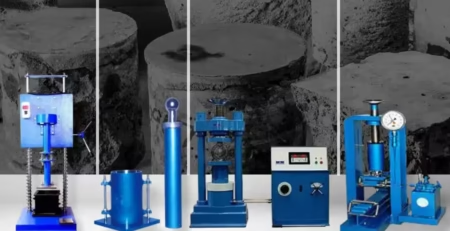
Advanced concrete test equipment includes modern, digitally operated, and automated systems designed to improve accuracy, efficiency, and data management.
Examples include:
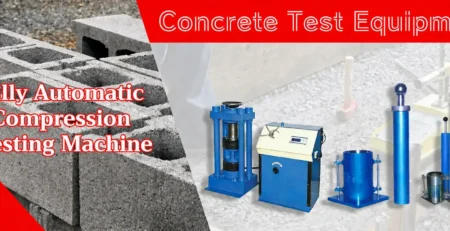
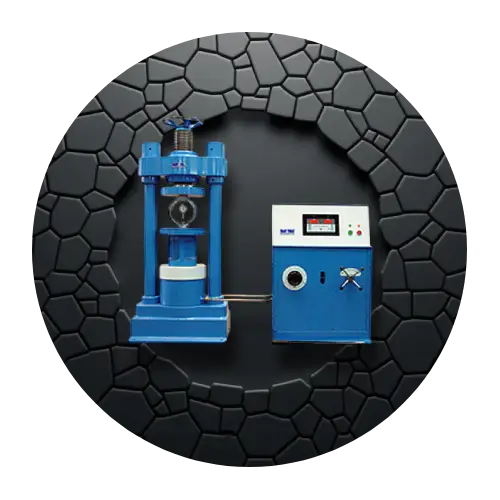
- Digital Compression Testing Machines (CTM)
- Automatic Flexural Testing Machines
- Ultrasonic Pulse Velocity (UPV) Testers
- Digital Rebound Hammers
- Rapid Chloride Permeability Testing Systems
- Computerized Data Logging Systems
- Smart Curing Tanks with Temperature Control
These systems use electronic sensors, software integration, and automated controls to deliver highly accurate and repeatable results.
Improved Accuracy and Precision
One of the primary benefits of advanced concrete testing equipment is improved measurement accuracy.
Traditional mechanical systems may suffer from calibration drift, manual reading errors, or inconsistent loading rates. In contrast, digital machines:
- Provide precise load application
- Automatically record peak values
- Eliminate human interpretation errors
- Offer consistent repeatability
For example, a digital Compression Testing Machine applies load at a controlled rate and automatically records compressive strength values, ensuring reliable results every time.
Reduced Human Error
Manual testing methods often depend heavily on operator skill and observation. Errors can occur due to:
- Incorrect load reading
- Improper timing
- Data recording mistakes
- Misinterpretation of results
Advanced equipment minimizes these risks through automation. Digital displays, automated load control, and software-based calculations significantly reduce the possibility of human error.
Faster Testing Process
Time is critical in construction projects. Delays in testing can slow down project progress.
Advanced concrete test equipment offers:
- Faster setup and operation
- Automated loading and data recording
- Instant digital results
- Rapid report generation
This speeds up decision-making and allows construction teams to proceed without unnecessary delays.
Better Data Management and Reporting
Modern testing equipment often integrates with computer software systems.
Benefits include:
- Automatic data storage
- Digital record keeping
- Easy retrieval of past results
- Quick generation of test reports
- Compliance documentation
Digital record management reduces paperwork and enhances traceability, which is essential for audits and regulatory inspections.
Enhanced Quality Control
Advanced equipment provides consistent and repeatable results, improving overall quality control.
With precise measurements, engineers can:
- Optimize mix design
- Adjust water-cement ratio
- Improve aggregate selection
- Maintain uniformity across batches
This leads to better construction quality and reduced material wastage.
Non-Destructive Testing Capabilities
Modern non-destructive testing (NDT) equipment plays a crucial role in evaluating existing structures without causing damage.
Advanced tools such as:
- Ultrasonic Pulse Velocity (UPV) Testers
- Digital Rebound Hammers
- Cover Meters
allow engineers to assess internal defects, cracks, and reinforcement positioning.
This is especially useful for:
- Structural audits
- Renovation projects
- Bridge inspections
- Infrastructure maintenance
Increased Structural Safety
Accurate testing directly contributes to structural safety.
By ensuring concrete meets required compressive and tensile strength values, advanced equipment helps prevent:
- Cracks
- Structural failure
- Load-bearing issues
- Premature deterioration
Reliable test results allow engineers to make informed decisions and implement corrective actions early.
Compliance with National and International Standards
Construction projects must meet standards such as:
- IS (Indian Standards)
- ASTM
- BS
Advanced testing machines are designed to comply with these standards and often include programmable settings for standardized testing procedures.
This ensures:
- Regulatory approval
- Quality certification
- Legal compliance
Long-Term Cost Savings
While advanced concrete test equipment may require higher initial investment, it offers long-term savings through:
- Reduced material wastage
- Fewer construction errors
- Prevention of structural failures
- Lower maintenance costs
- Reduced rework
Accurate testing ensures optimal resource utilization and financial efficiency.
Better Durability Assessment
Durability testing equipment evaluates concrete resistance against environmental factors such as:
- Water penetration
- Chloride attack
- Sulphate exposure
- Freeze-thaw cycles
Advanced permeability testers and chloride penetration systems provide precise data, helping engineers design durable structures for harsh environments.
Real-Time Monitoring and Smart Technology
Modern technology enables real-time monitoring of concrete properties.
Features include:
- Sensor-based measurements
- Wireless data transmission
- Remote monitoring
- Cloud-based data storage
These advancements allow engineers to track performance even during curing stages, improving quality control.
Increased Laboratory Efficiency
Advanced automation reduces manual workload in civil laboratories.
Benefits include:
- Faster sample processing
- Reduced operator fatigue
- Improved productivity
- Consistent performance
This enhances overall laboratory efficiency and throughput.
Enhanced Reputation and Client Trust
Using advanced concrete test equipment demonstrates professionalism and commitment to quality.
Clients prefer contractors and laboratories that:
- Provide accurate test reports
- Use modern equipment
- Follow standardized procedures
- Maintain transparency
Reliable testing builds trust and strengthens brand reputation.
Support for Research and Development
Advanced testing systems are essential for:
- High-performance concrete research
- Sustainable concrete development
- Self-compacting concrete studies
- Fiber-reinforced concrete testing
Research institutions and advanced laboratories rely on high-precision equipment for innovation.
Sustainability and Environmental Benefits
Accurate testing supports sustainable construction practices by:
- Reducing overuse of cement
- Minimizing waste
- Extending structural lifespan
- Lowering carbon footprint
Optimized mix designs lead to eco-friendly construction solutions.
Future Trends in Advanced Concrete Testing
The future of concrete testing includes:
- AI-based predictive analysis
- IoT-integrated sensors
- Automated robotic testing systems
- Smart concrete monitoring
These technologies will further enhance accuracy and efficiency.
Choosing the Right Advanced Concrete Test Equipment
When investing in advanced equipment, consider:
- Compliance with standards
- Calibration certification
- After-sales service support
- Digital integration capability
- Supplier reputation
Choosing reliable and authorized manufacturers ensures long-term performance and accuracy.
Conclusion
Engineering Solutions Equipment is a top manufacturer in India and a trusted supplier concrete test equipment
Advanced concrete test equipment has transformed quality control in construction and civil engineering. By offering improved accuracy, faster testing, better data management, and enhanced safety, these modern systems ensure reliable and consistent results.
Investing in advanced testing technology is not just about upgrading equipment—it is about strengthening structural safety, improving efficiency, ensuring compliance, and building long-lasting infrastructure.
In today’s competitive construction industry, accurate results are essential, and advanced concrete test equipment makes that possible.